Role
Service Designer | UX Designer
Category
Service Design | UX/UI Design | User Research
Duration / Year
5 months / 2025
(Overview)
Feedie reimagines how working families access community food support, transforming food aid from a one-way transaction into a shared community experience through a shared platform.This is an independent research design project developed through iterative, real-world testing within a complex social system. Through field research, stakeholder interviews, and collaborative prototyping with local organizations and volunteers, Feedie uncovered the hidden systemic gap between surplus food redistribution and everyday access for working households in the UK, where under-resourced community hubs are expected to manage operational complexity and rising demand with minimal support.By improving access, communication, and coordination across the ecosystem, Feedie sustains not just food distribution but a more equitable, connected, and resilient community.

Team: Hsing Ju Huang, Szu Yu Chen, Yi Hsuan (Winnie) Wu
London design award 2025
(Iterative design process)
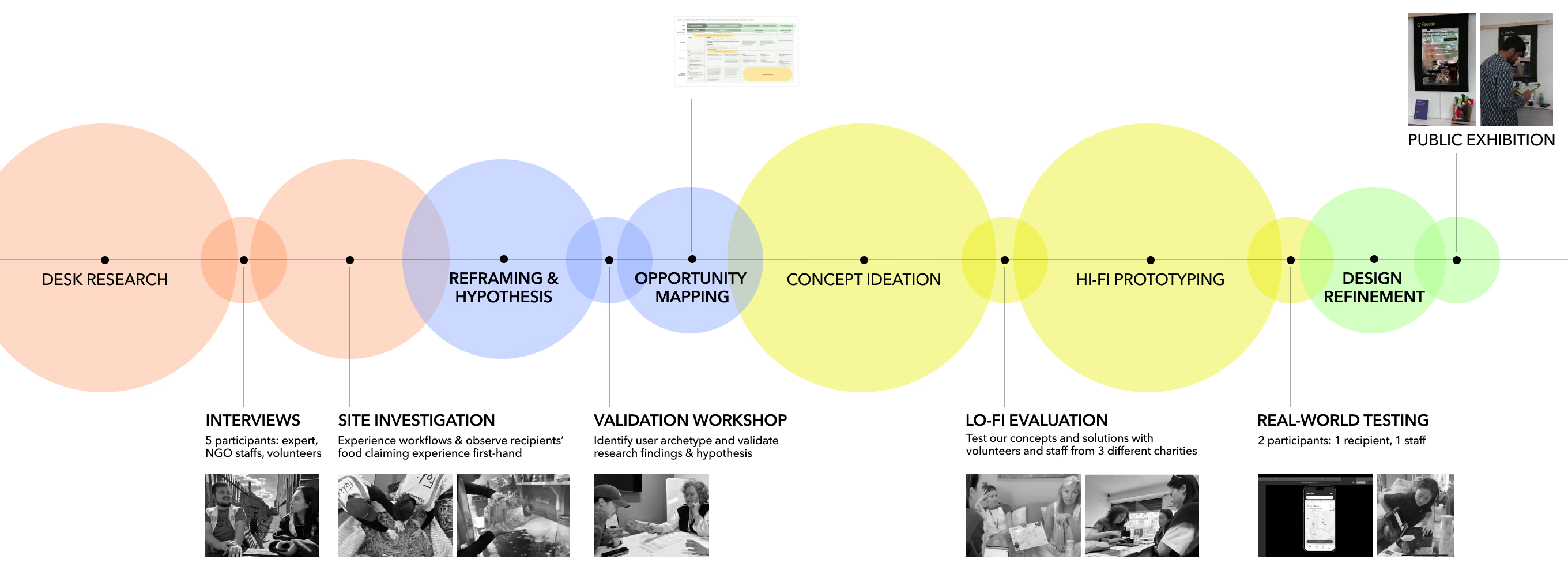
The process of this project moved through cycles of opportunity mapping, concept ideation, and low-fidelity evaluation, using early prototypes as tools for dialogue and sense-making with real stakeholders. Feedback from charities, volunteers, and recipients informed successive refinements, allowing the intervention to evolve in response to operational constraints and lived realities.
The challenge
In the UK, 1 in 4 families are struggling to feed their kids. Surprisingly, food bank users are not that kind of the vulnerables we thought, with 3 of 5 food bank users actually have a job (Trussell Trust, 2024) but still hard to afford daily meals.

11.3 M

People are facing food insecurity

3 of 5

Food bank users are employed

75%

Food banks see increasing demand
As living costs rise, more “Working Households” are turning to seek for community food support. While they earn enough to cover utility bills, there is simply not enough left for enough food after paying the essentials. As the fastest-growing group in food insecurity, they earn too much for formal aid but too little to feed their families.
Understanding barriers from the “Working households”
Engaging with this demographic was a challenge, as they are often a "hidden" vulnerable group. To bridge this gap, we initially collaborated with experts and front-line volunteers—who witness these daily struggles—through workshops and interviews to map out user pain points and gaps in current food bank models.

Guided with a ethical plan, we eventually conducted direct interviews with service users leveraging volunteer networks. This final stage was crucial to validate our insights and ensure our interventions truly meet their needs.
“Even with a full-time job, I can't afford enough food for my child, which is humiliating to admit that. I had to visit 5 food banks before I finally got food because there’s hardly any useful information online. Trying to coordinate that with my work schedule was a real challenge.”
— Research Participant, Working Full-time
recipients' Key barrier 1 – unpredictable access
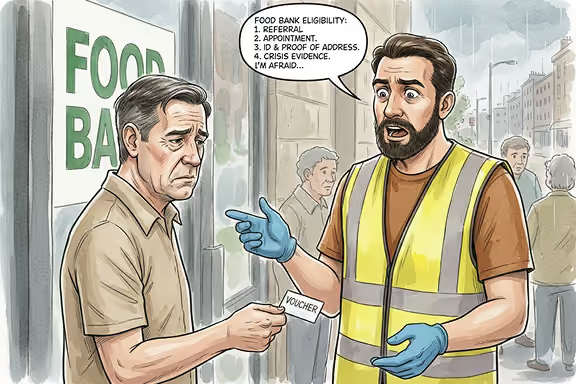
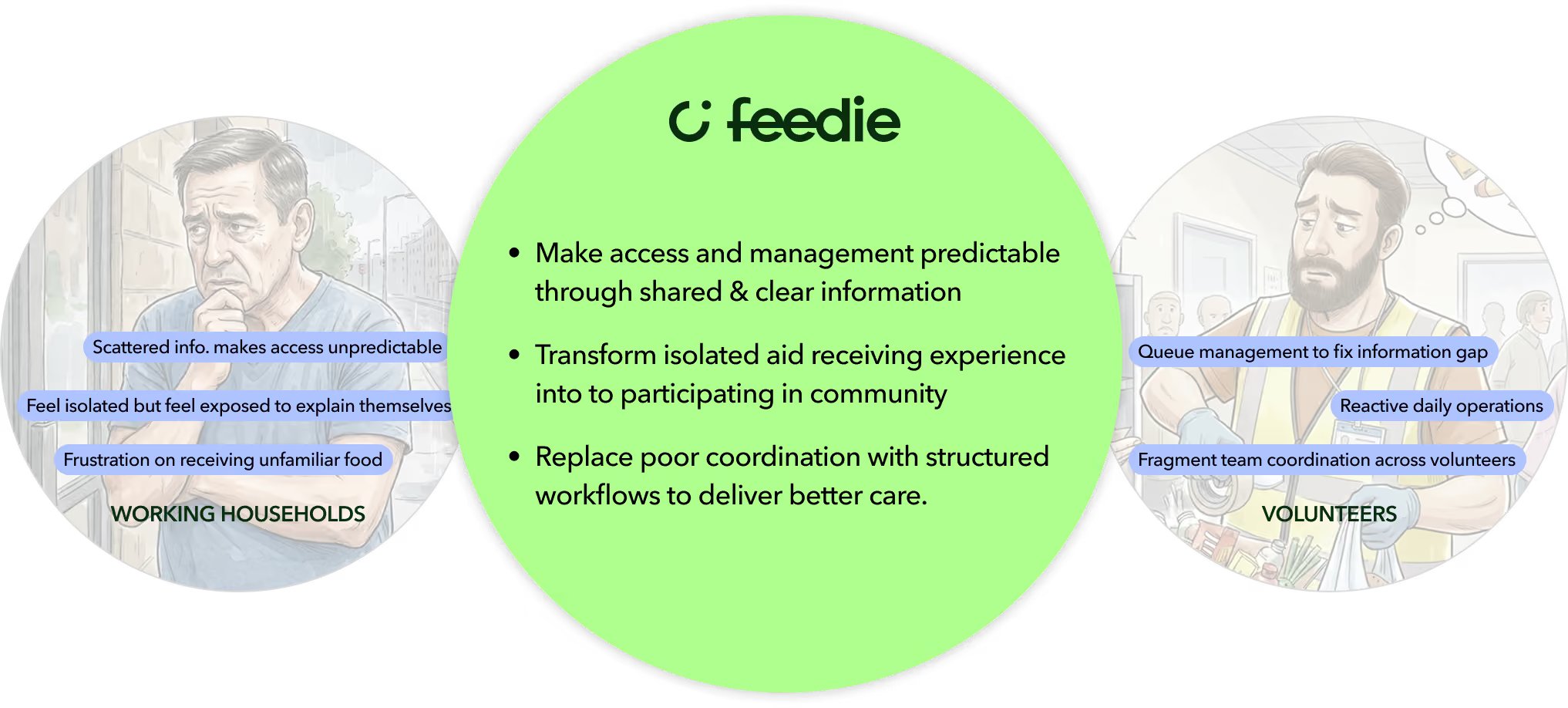
Scattered and outdated information about open hours and access requirements making access unpredictable and hard to plan around working hours.
recipients' Key barrier 2 – social stigma & Isolation
Being asked to explain their situation makes seeking help feel exposing. This social stigma often becomes a silent barrier to asking for help but feel isolated.
recipients' Key barrier 3 – unfamiliar food received
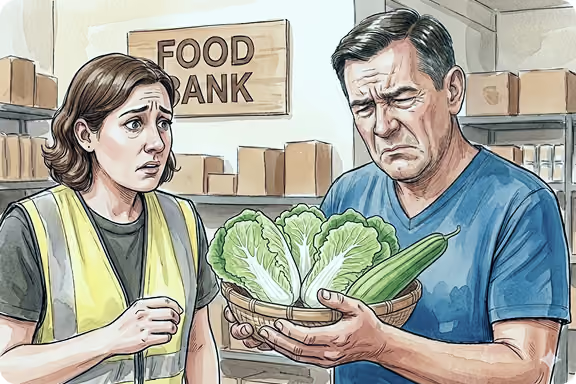
Receiving unfamiliar food without guidance at food support often leads to frustration and waste.
community challenge 1 – Queue Management
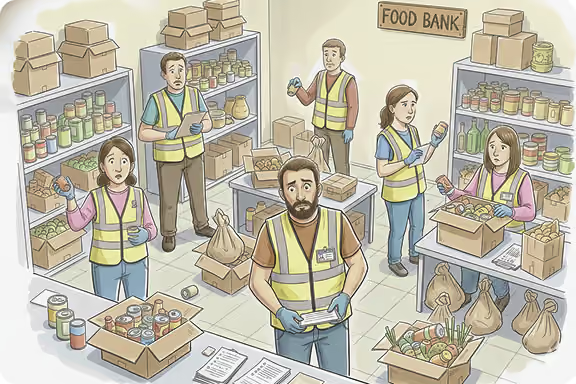
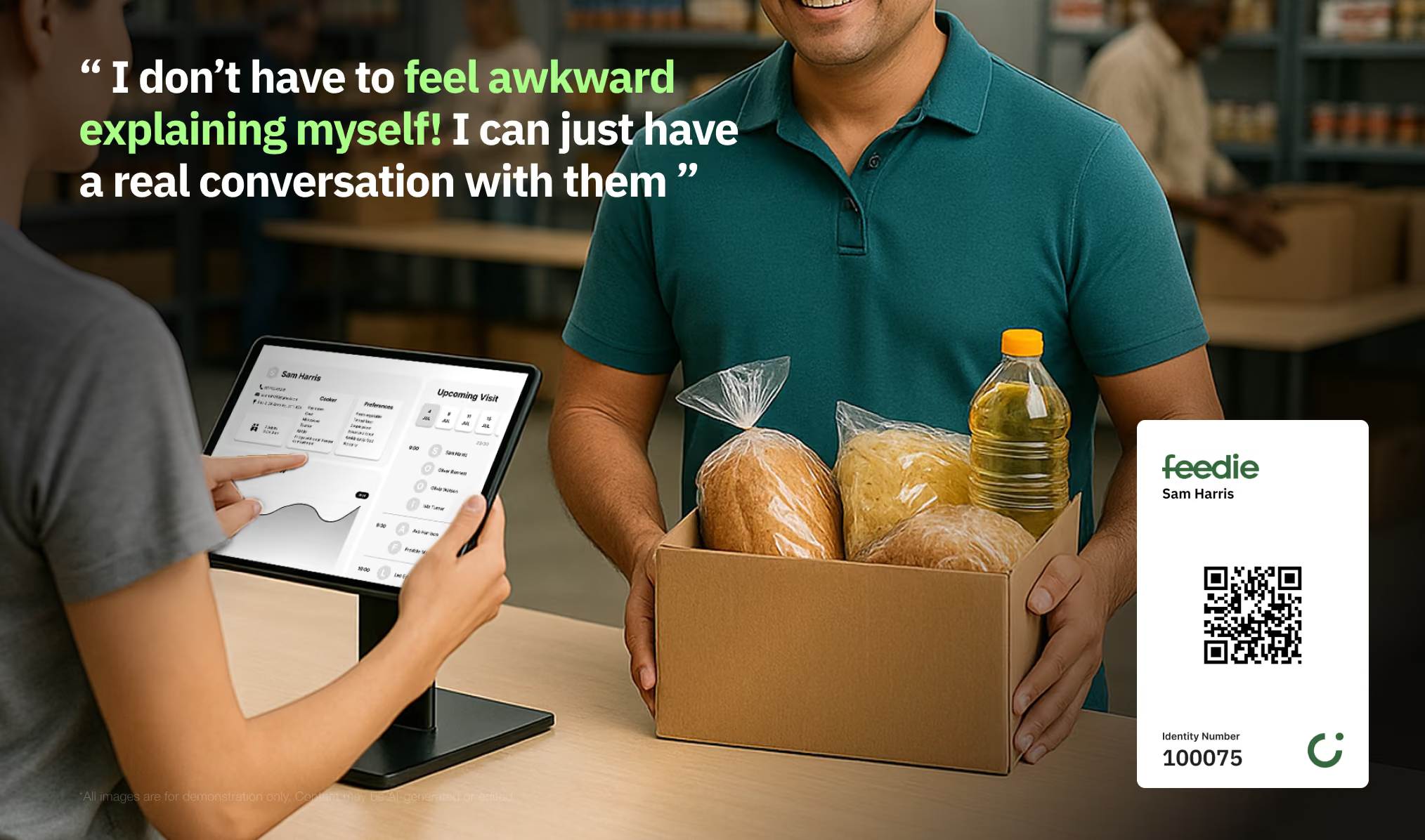
Scattered and outdated service information forces volunteers to manually manage queues and repeatedly explain rules and eligibility to visitors.
community challenge 2  – Improvised daily Operations
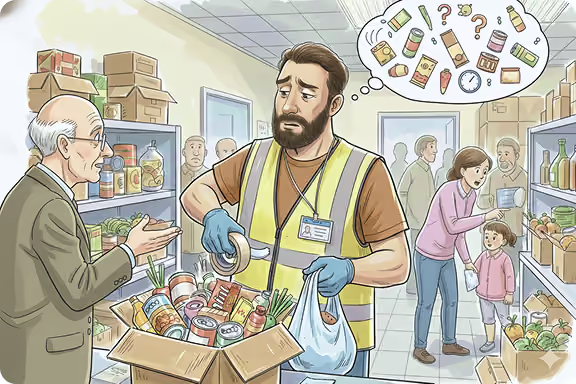
Without real-time data of visitor flow or inventory, food handling and distribution become reactive. Volunteers juggle queues, food, and questions simultaneously, increasing stress and operational errors.
community challenge 3 – Fragmented coordination
Unclear roles and lack of shared task coordination lead to duplicated effort and gaps in responsibility.
The hidden challenge at the community food support
Access barriers for working households led us to a deeper question: Why is the system so hard for them to access support?

Through site visits and interviews with front-line volunteers and organization leaders, we uncovered that the inconsistencies service for recipients are a direct symptom of a systemic gap at the community level.

Local community groups and small charities are where food actually meets people. Yet volunteers are expected to handle everything from intake to distribution without shared infrastructure for information, coordination, or role clarity.
“The real challenge at community food support is that the entire system relies on volunteers ‘goodwill’, which makes it a restricted service.”
— CEO from food redistribution NGO
Problem statement
Food support system has a “narrow entry” for people to step in stem from double pressure on recipient’s barriers & community challenges, making access to support unpredictable and unsustainable.
How might we...
make community food support easier to find, use, and engage with while supporting volunteers with smoother coordination?
The big idea — Reimagining a new touchpoint for accessing
Feedie transforms food aid from a one-way transaction into a shared community experience. By making support easier to navigate and manage, Feedie enables people to engage with food support with greater dignity and stronger community trust.
Empowering the "working households": From surviving to thriving
Recognizing that food insecurity often signals deeper needs, Feedie focuses first on access,
then builds capacity, and finally supports social confidence and agency to foster long-term stability and well-being for recipients.
stage 01

access
food support

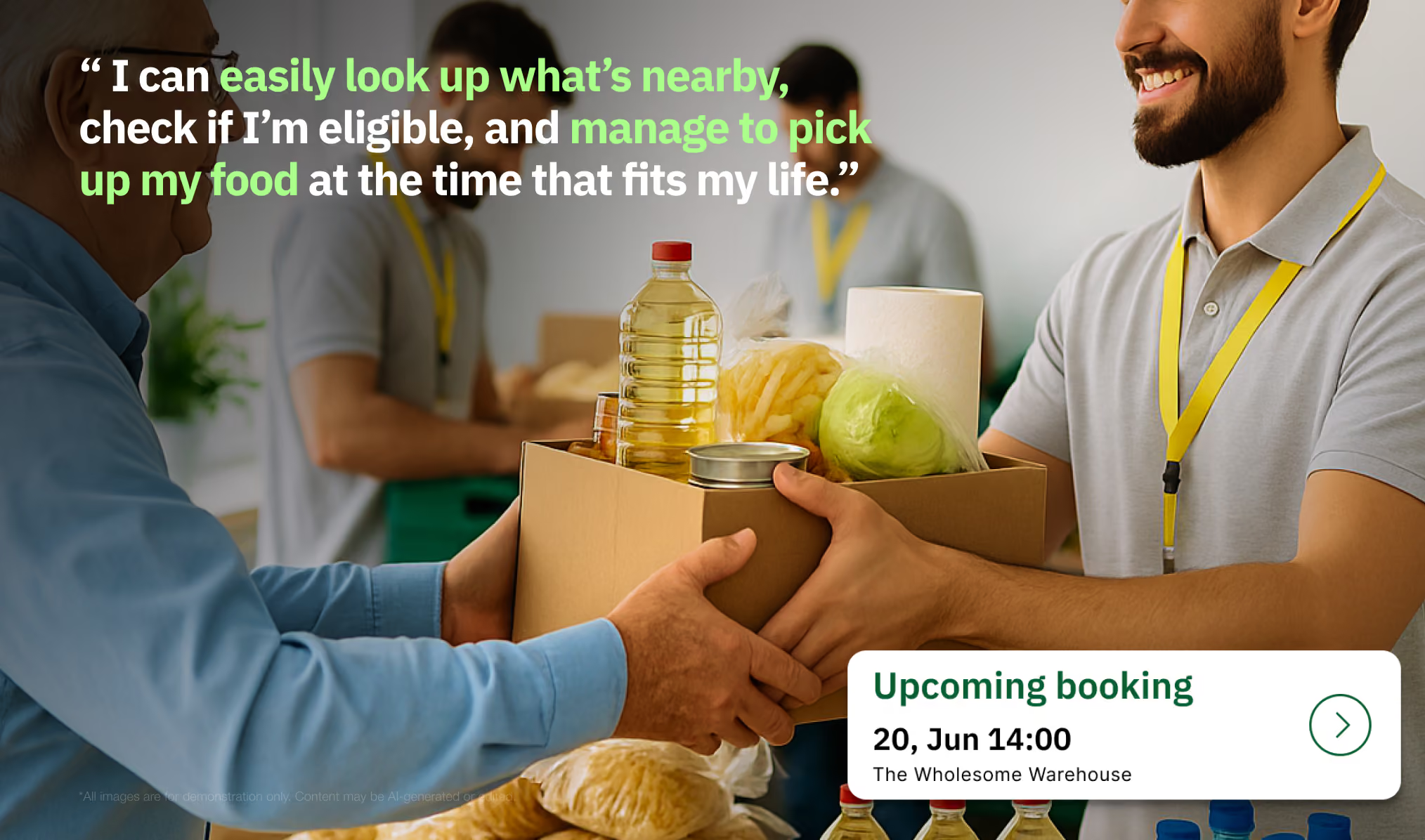
Make food support easier to find, book, and access with confidence

→ Make help feel reachable
stage 02

Engage with community

Encourage learning from others and exchanging experiences.

→ Build trust and reduce isolation
stage 03

grow with confidence

Support food usage, foster idea sharing with peers.

→ Feel ready to move on

stage 01

access food support

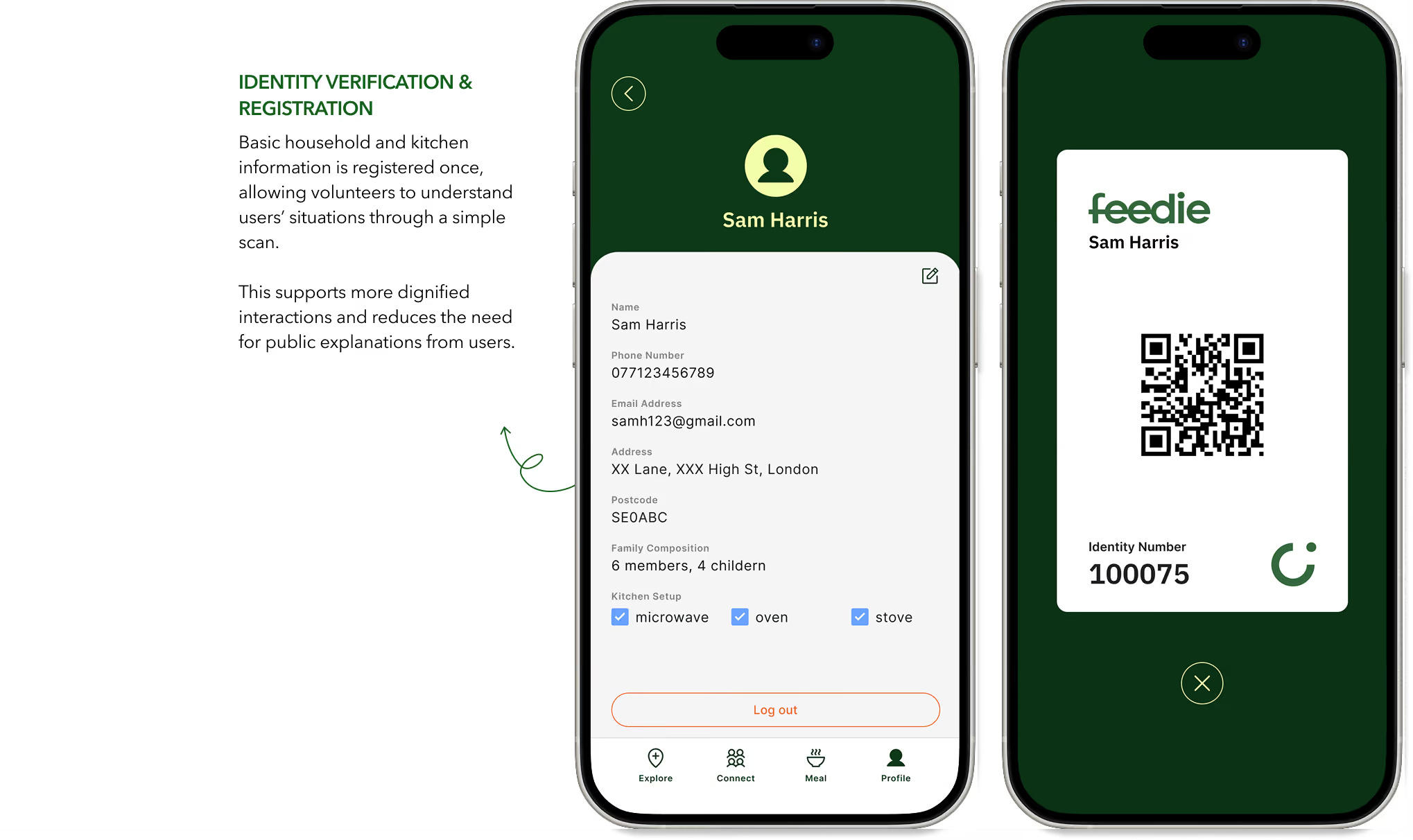
Food support is often hard to plan and emotionally exposing for working households.


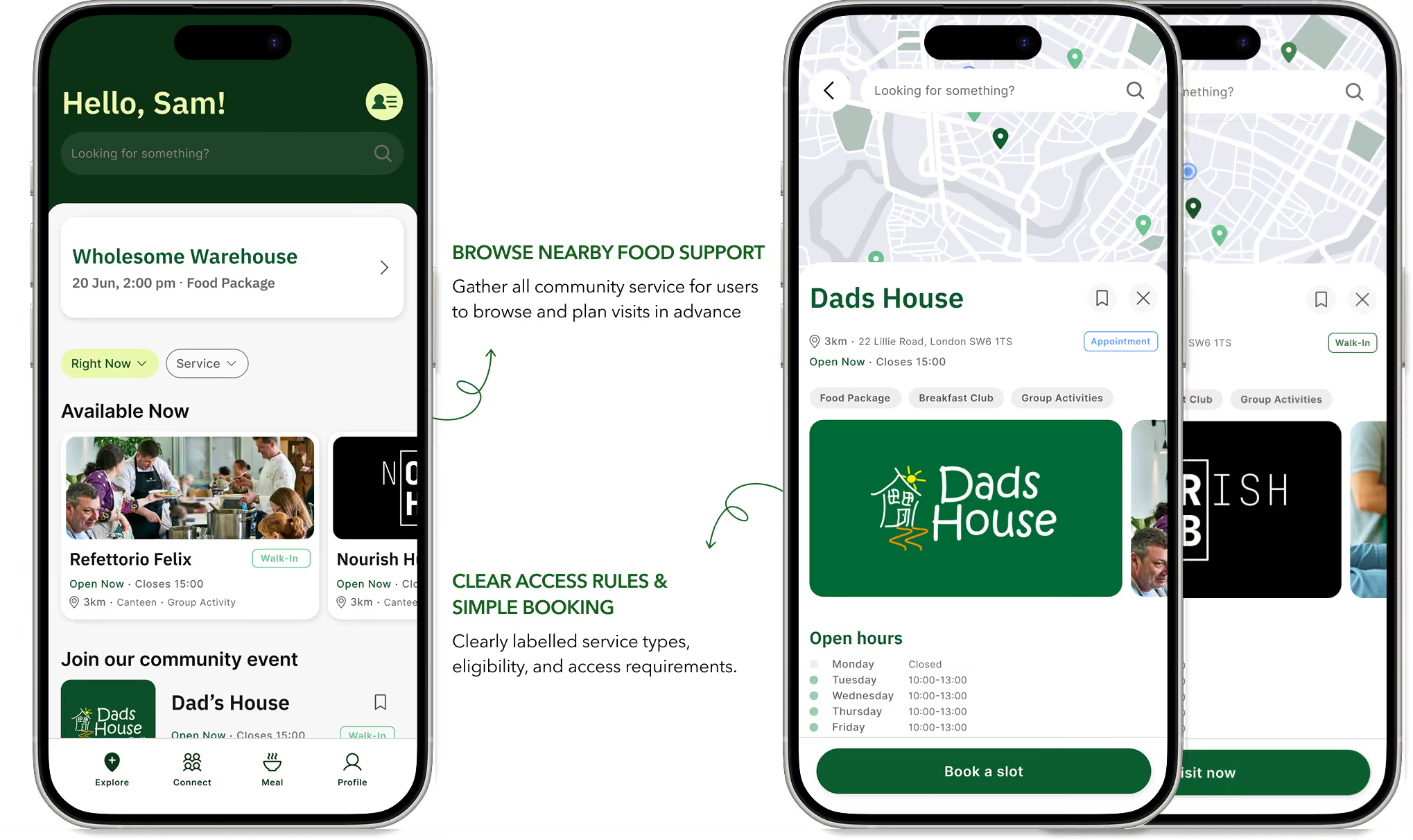
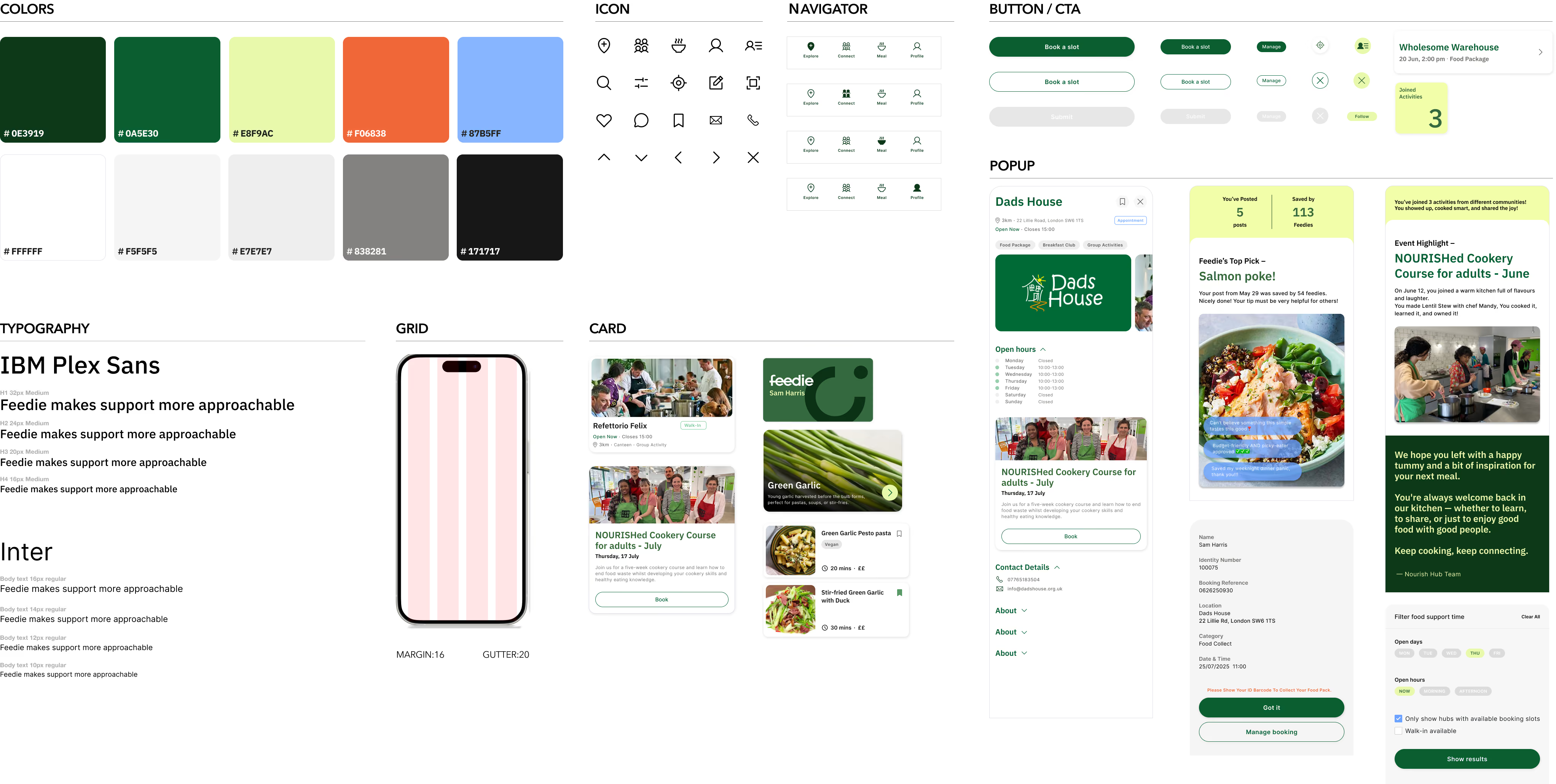
Feedie centralizes service information and booking access, allowing people to plan visits around their daily lives while helping food banks better manage access and needs.
stage 02

Engage with community

Beyond accessing food, many people feel isolated and disconnected from others in similar situations.

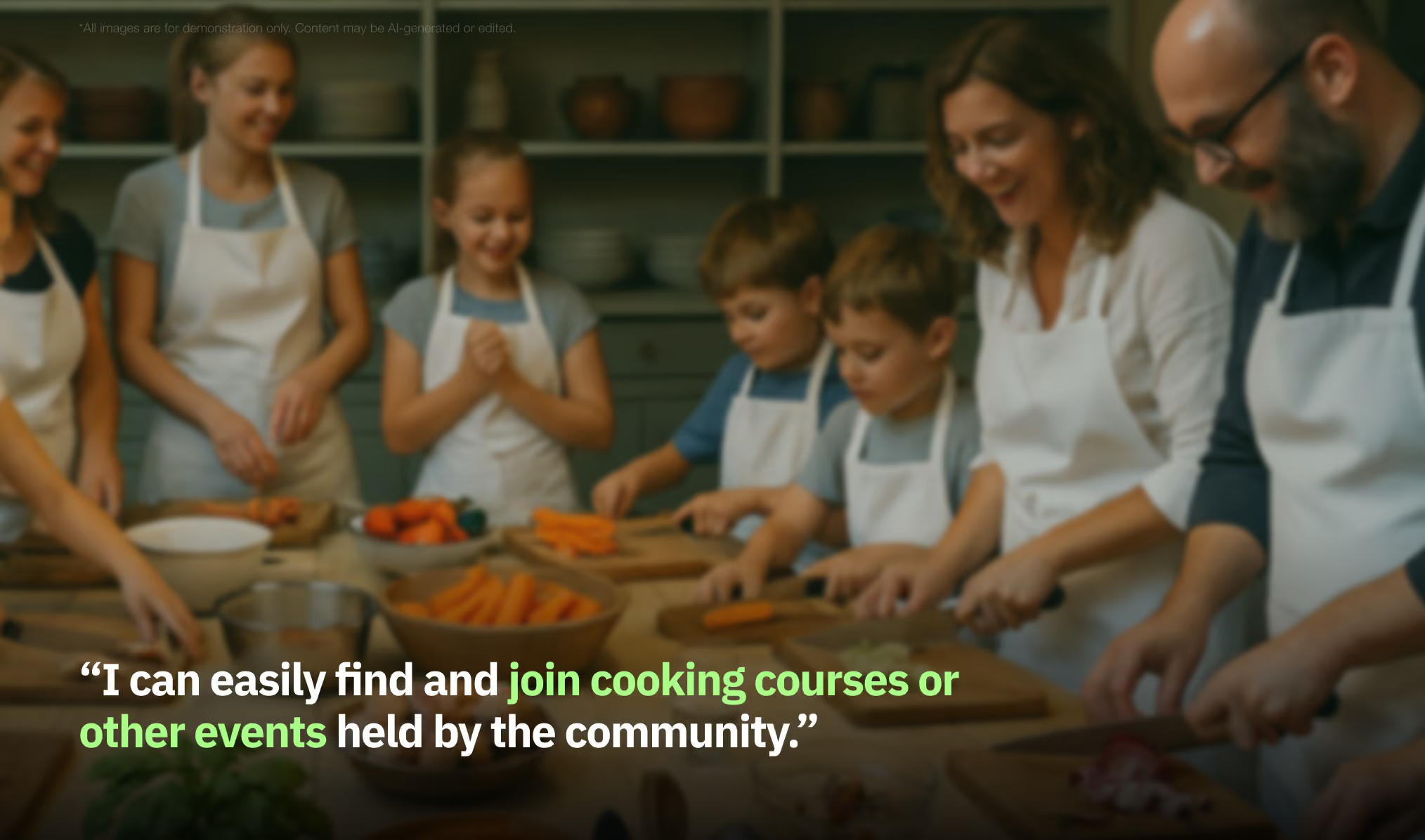
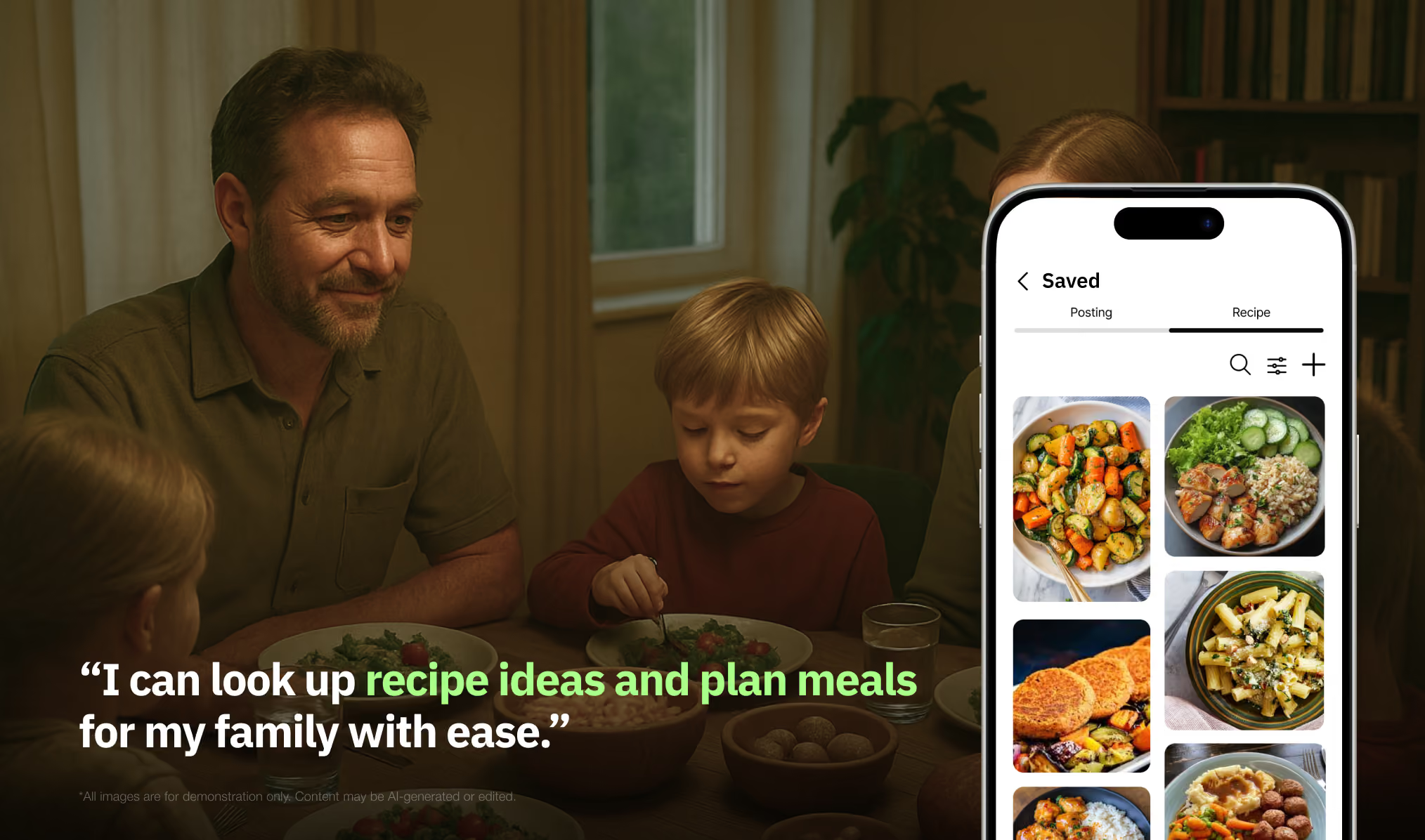
Feedie encourages peer exchange and community participation, helping people learn from each other and rebuild trust through shared experiences.
stage 03

grow with confidence

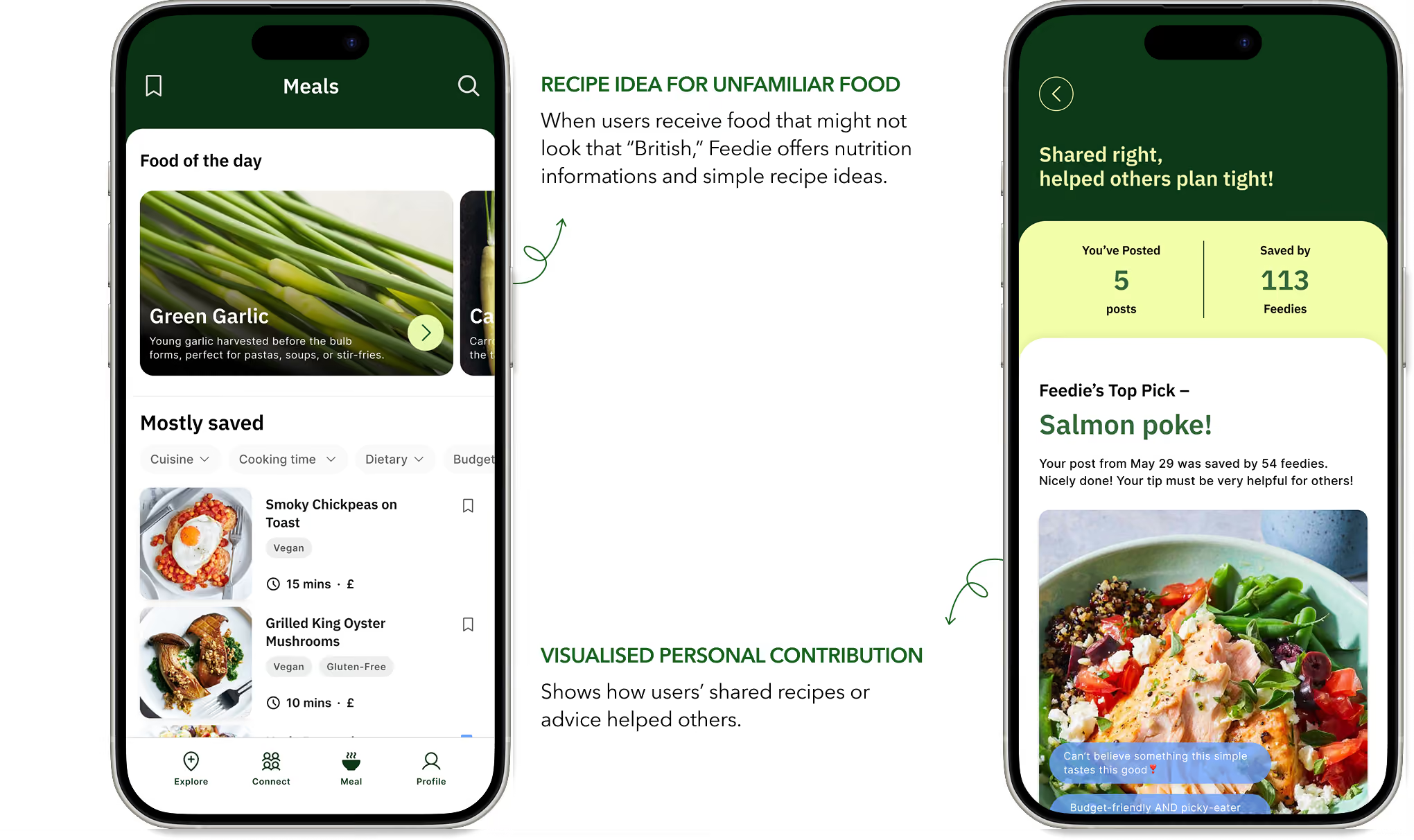
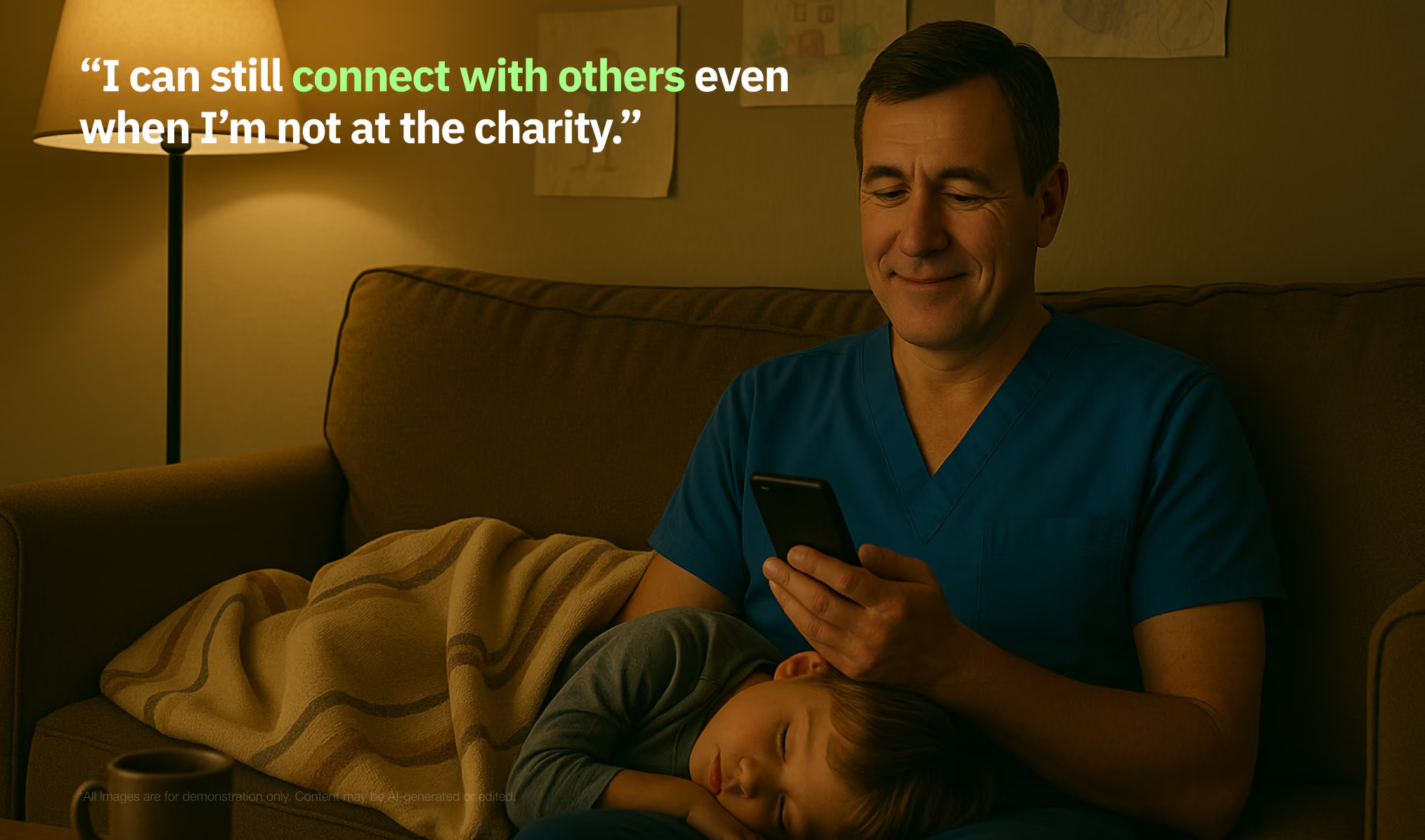
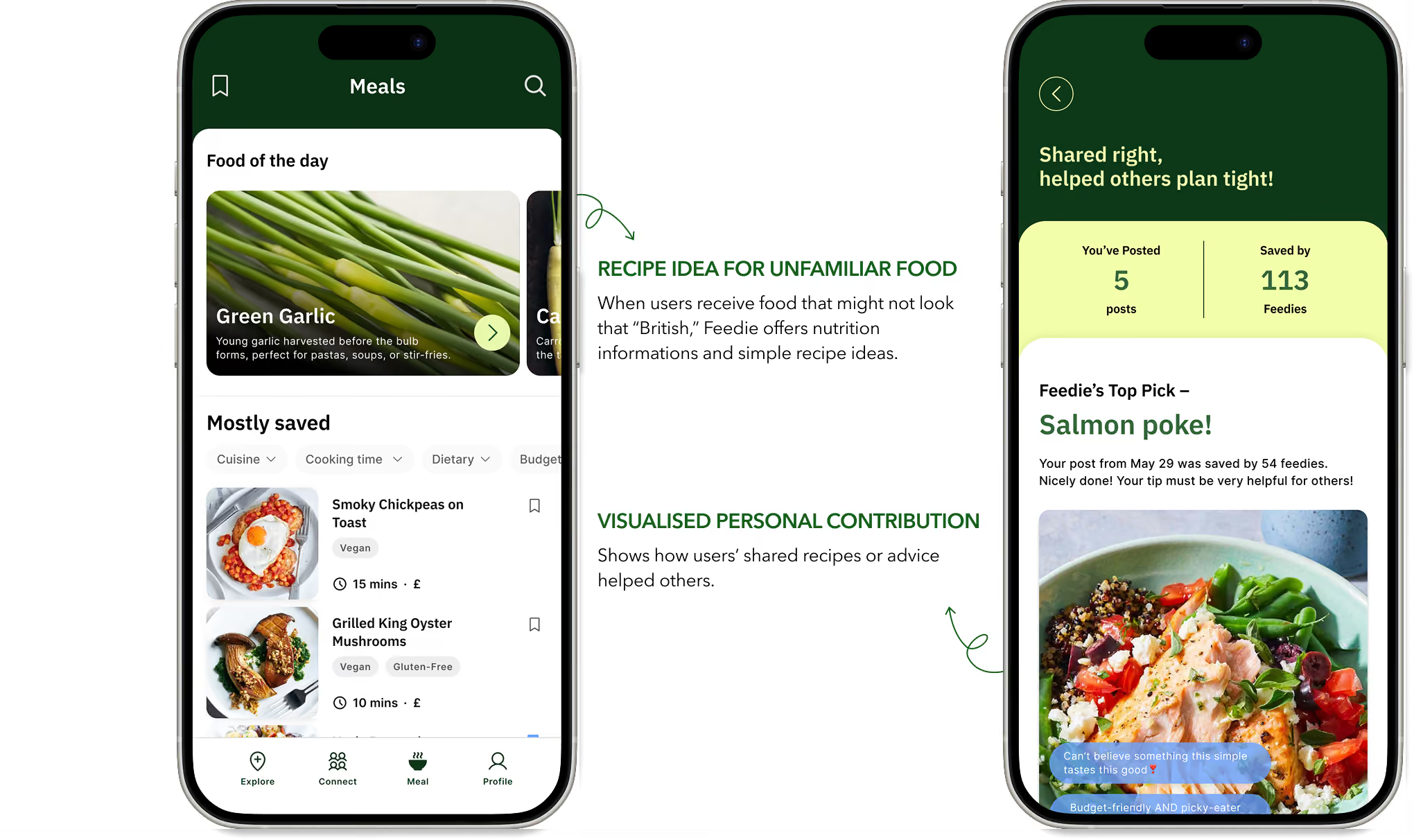
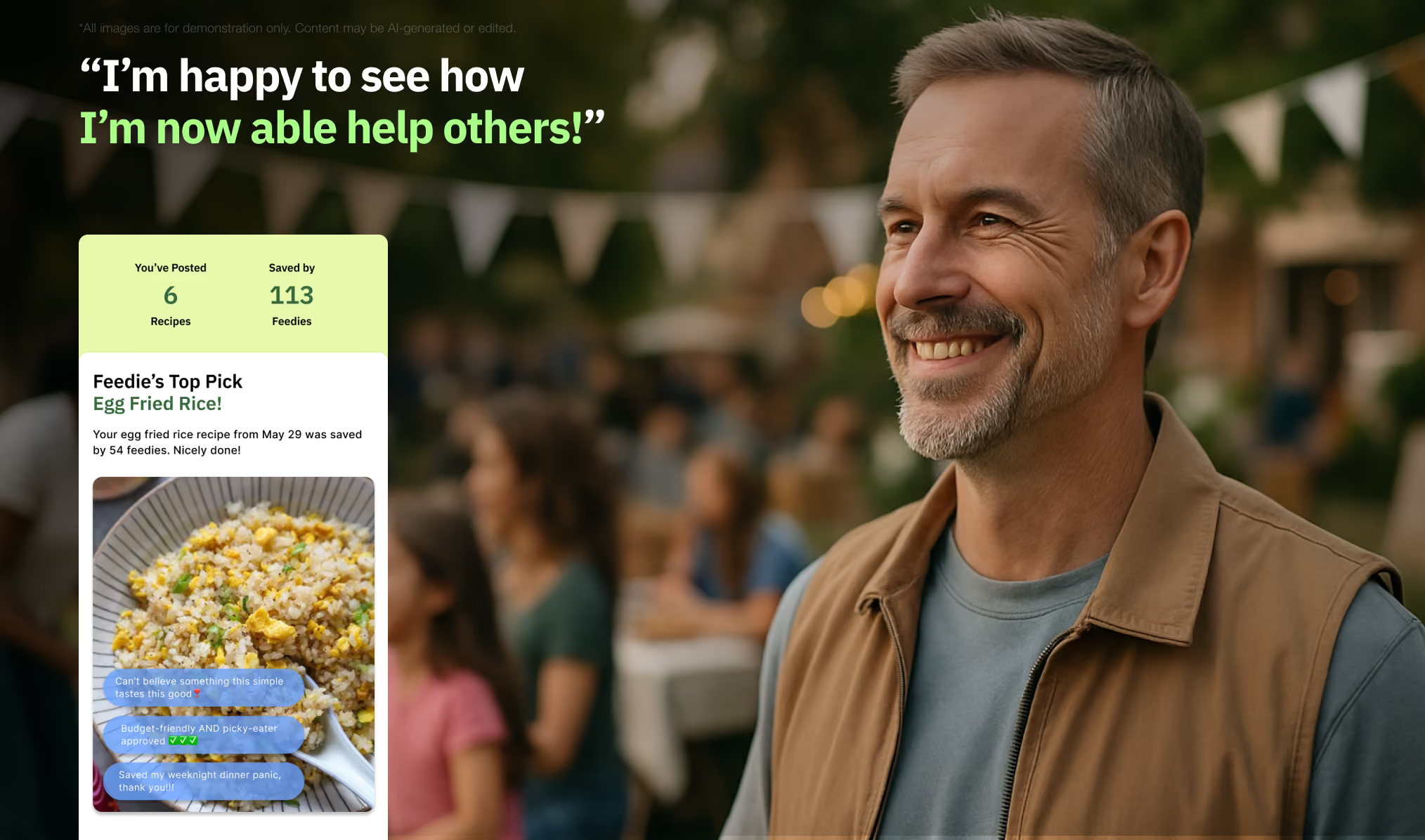
As people become more familiar with food support, Feedie helps them build confidence in using food and recognising their own contribution.

This makes support shifts from simply receiving help to supporting and engaging with others.

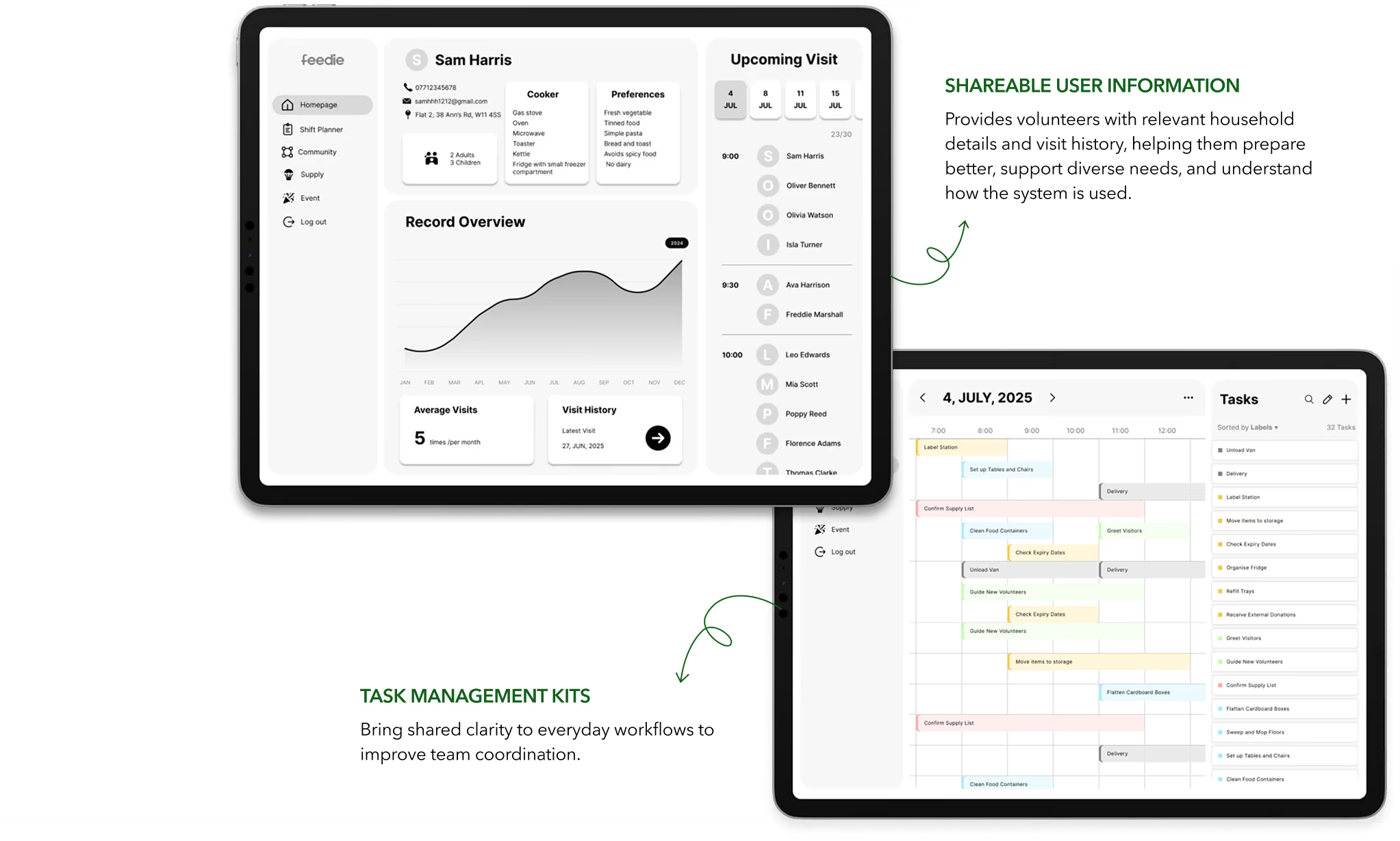
Support communities on daily operation

Food support is often hard to plan and emotionally exposing for working households.


Feedie centralizes service information and booking access, allowing people to plan visits around their daily lives while helping food banks better manage access and needs.
“We try to understand each household so we can give food that actually works for them. But we never know who’s coming or what food we’ll have each week, so we just try our best to serve them.”
— Volunteer at local food bank
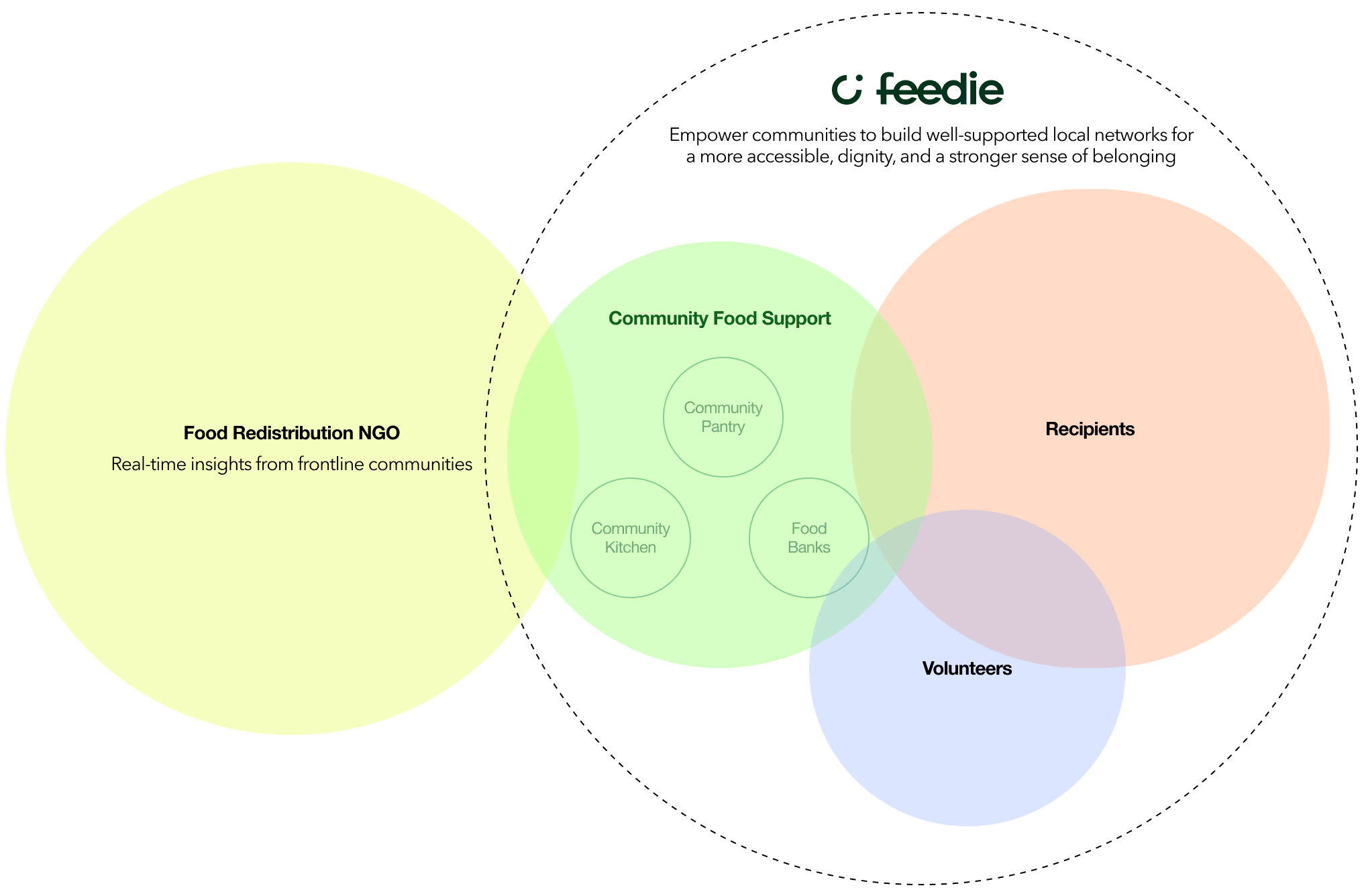
The Vision: enhancing community networking
Feedie acts as a bridge, strengthening the flow of information, preparation, and care across the system. By improving shared visibility, supporting volunteer coordination, and surfacing recipient voices, it shifts food support toward a more responsive, relational network. This enables stronger feedback loops between redistribution NGOs and local hubs, fostering a more dignified, predictable, and community-centred support experience.
review
This project began as an investigation into the pain points of working households and evolved into a holistic systemic intervention for food support as we recognized that user friction was a symptom of under-supported community operations.

Given the constraints of working with ethically vulnerable recipients, traditional academic research methods proved impractical. We therefore adopted an iterative validation approach — forming hypotheses through observations, then rapidly testing them through targeted interviews with real stakeholders.

This allowed us to maintain research rigor within a strict 5-month timeline while staying grounded in frontline realities. And this project doesn’t stop for academic exhibition but we are currently exploring pilot opportunities with NGOs and planning further user validation to strengthen and refine the system.