Category
Brand Strategy | Design Research | Service Design
Duration / Year
4 months / 2024
Reposition Brand Strategy for Teens' Art Engagement
Tate Teens is an industry–academic collaboration with Tate, redefining how teenagers aged 13–16 engage with art during a formative stage of identity development. By transforming the museum experience for this underserved age group, the project shaped a new strategic framework informing Tate's long-term brand and education strategy.
My Role: Conducted research, insight analysis, and translated findings into validated audience insights. By leading workshop materials development, I facilitated a more effective conversation during co-design workshops with Tate, art teachers, and domain experts.
Team: Gloria Guo, Jessica Wonomihardjo, Keiji Ichijo, Maria Luisa Castro, Yi-Hsuan (Winnie) Wu
The Challenge
Art plays a key role in teen identity development, shaping how young people think critically, express themselves, and connect with their communities. (Art31, 2018)
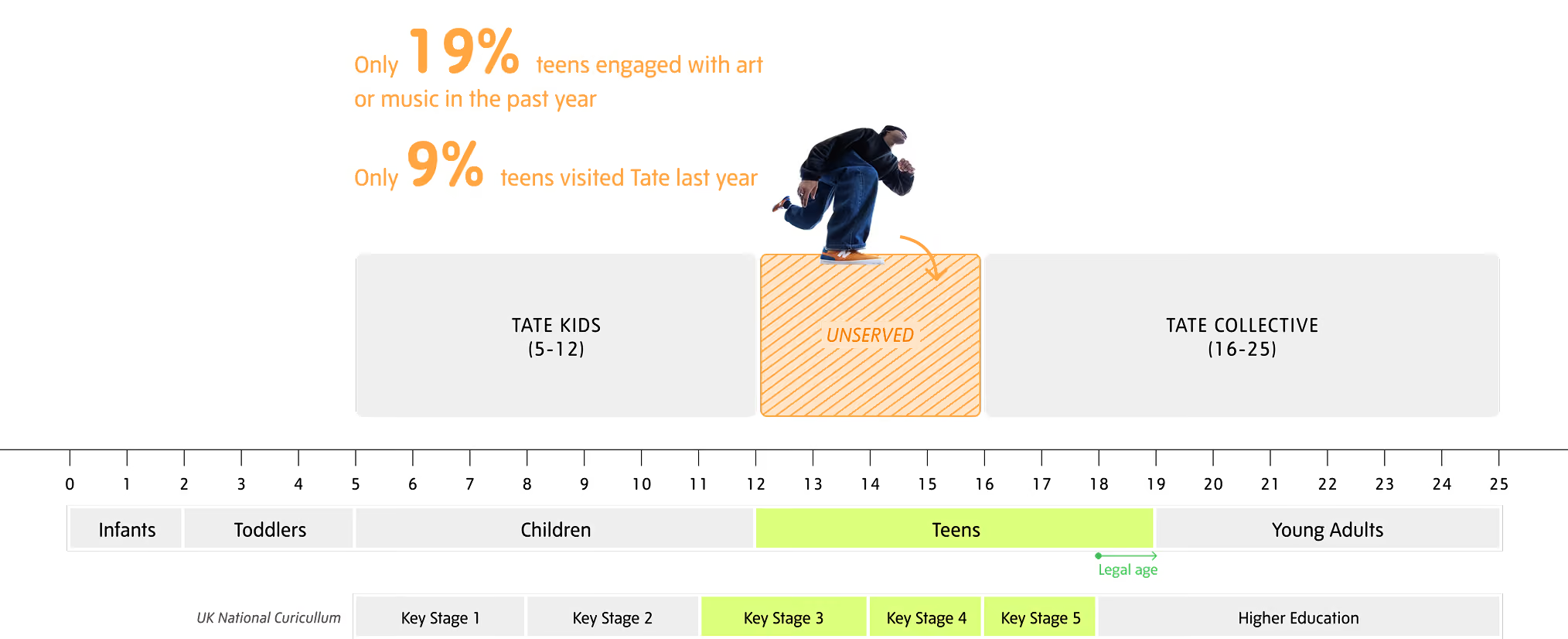
Despite this, teenagers remain one of the most underserved audiences within Tate, leaving their relationship with art remains underdeveloped.
Understanding
Teen’s Barriers to Art
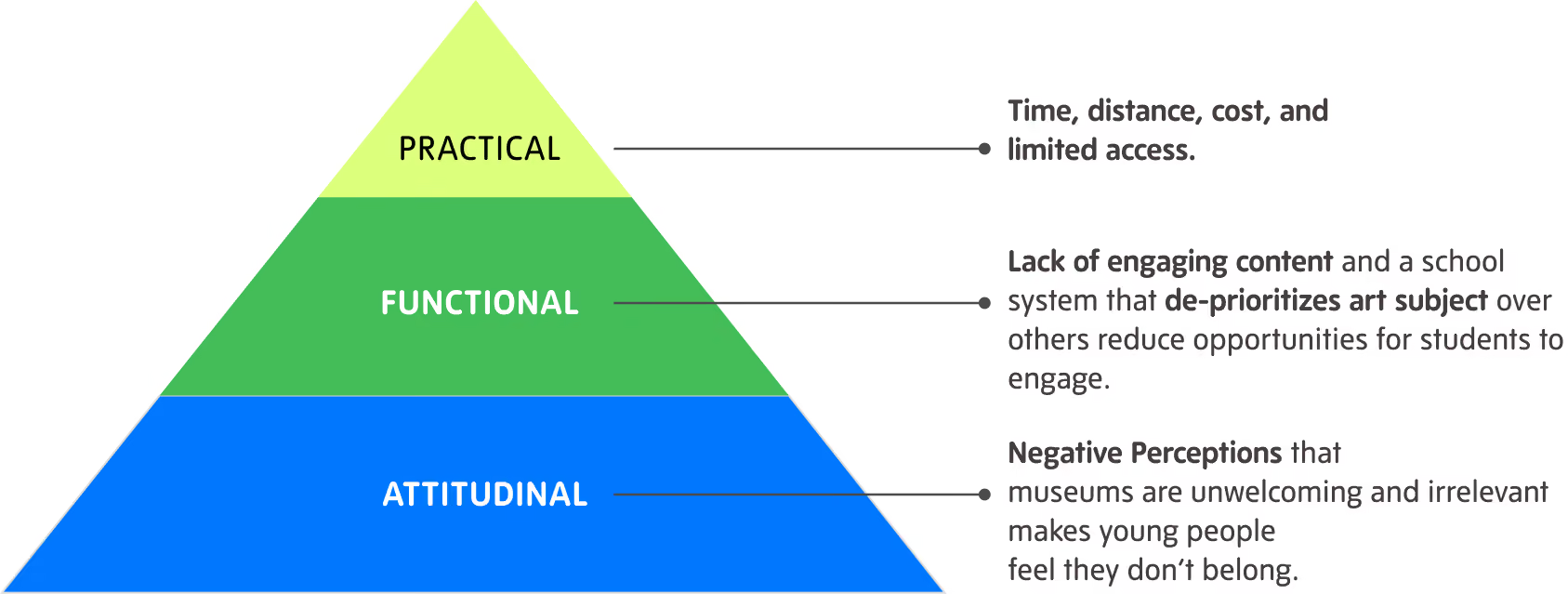
To understand why teens disengage, we conducted surveys, interviews, and workshops with teachers, art educators, and experts.
We identified the results into three key barriers, and the deepest one isn't about access or content. The core issue is about how teens feel about museums.
“ Teachers are the gatekeepers to these 13-16 teenagers, and Tate aims to work together with Teachers to build their confidence, for them to inspire students about the value of art. However, sometimes teachers will just leave students to explore the gallery themselves, and some teachers aren’t always art teachers.”
— Sophie Popper, School Relations Coordination at Tate
How Teens Access Art?
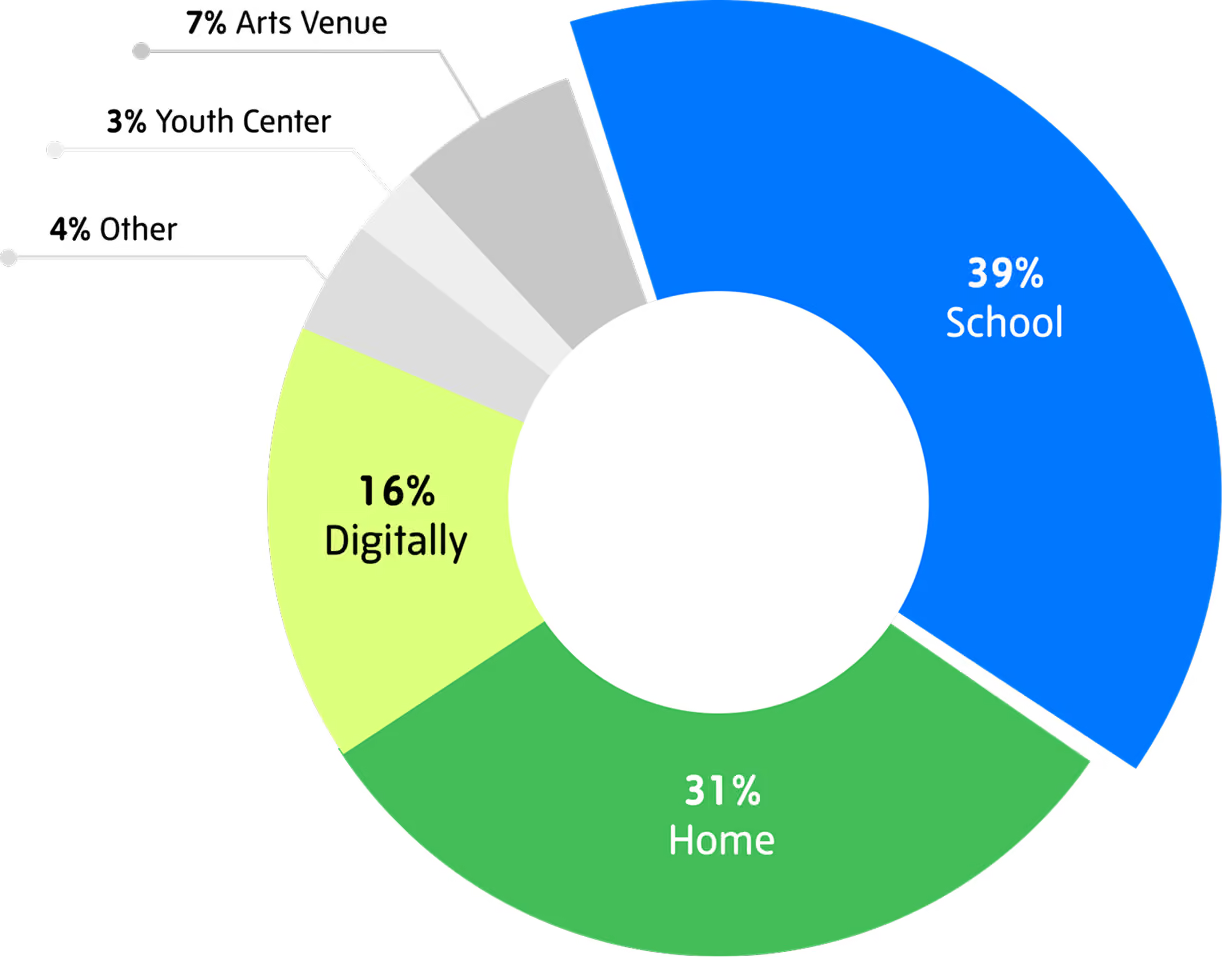
Educational institutions and family are the main sources of arts access for teens. For less privileged young people, school is often the only avenue to access art; however, many schools do not offer adequate arts activities.
Spoken from people in Tate, pointing out that many teachers are uninvolved during school visits and struggle to create exciting gallery experiences for their students, leaving students to wander without guidance or connection.
Teen Persona
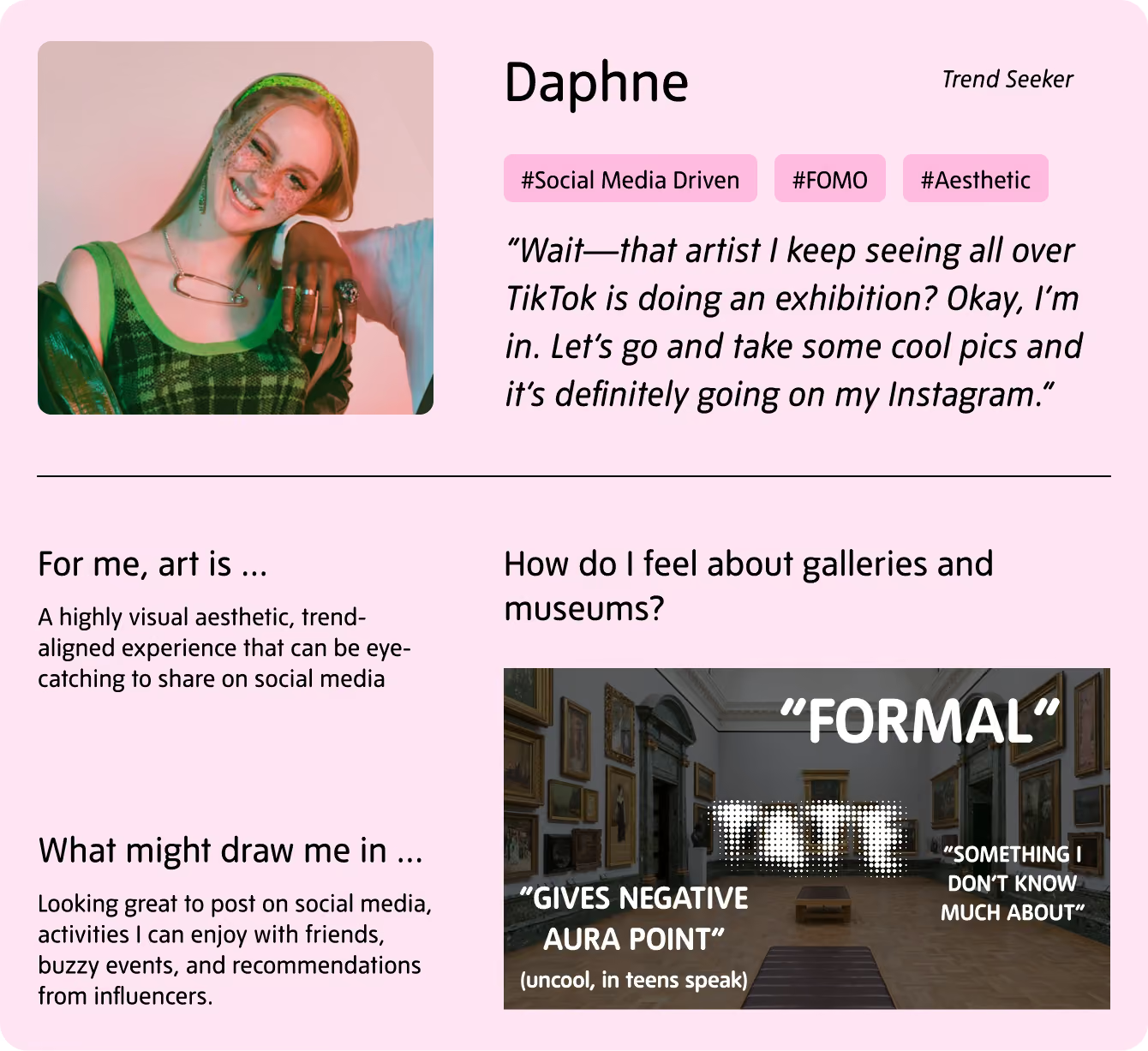
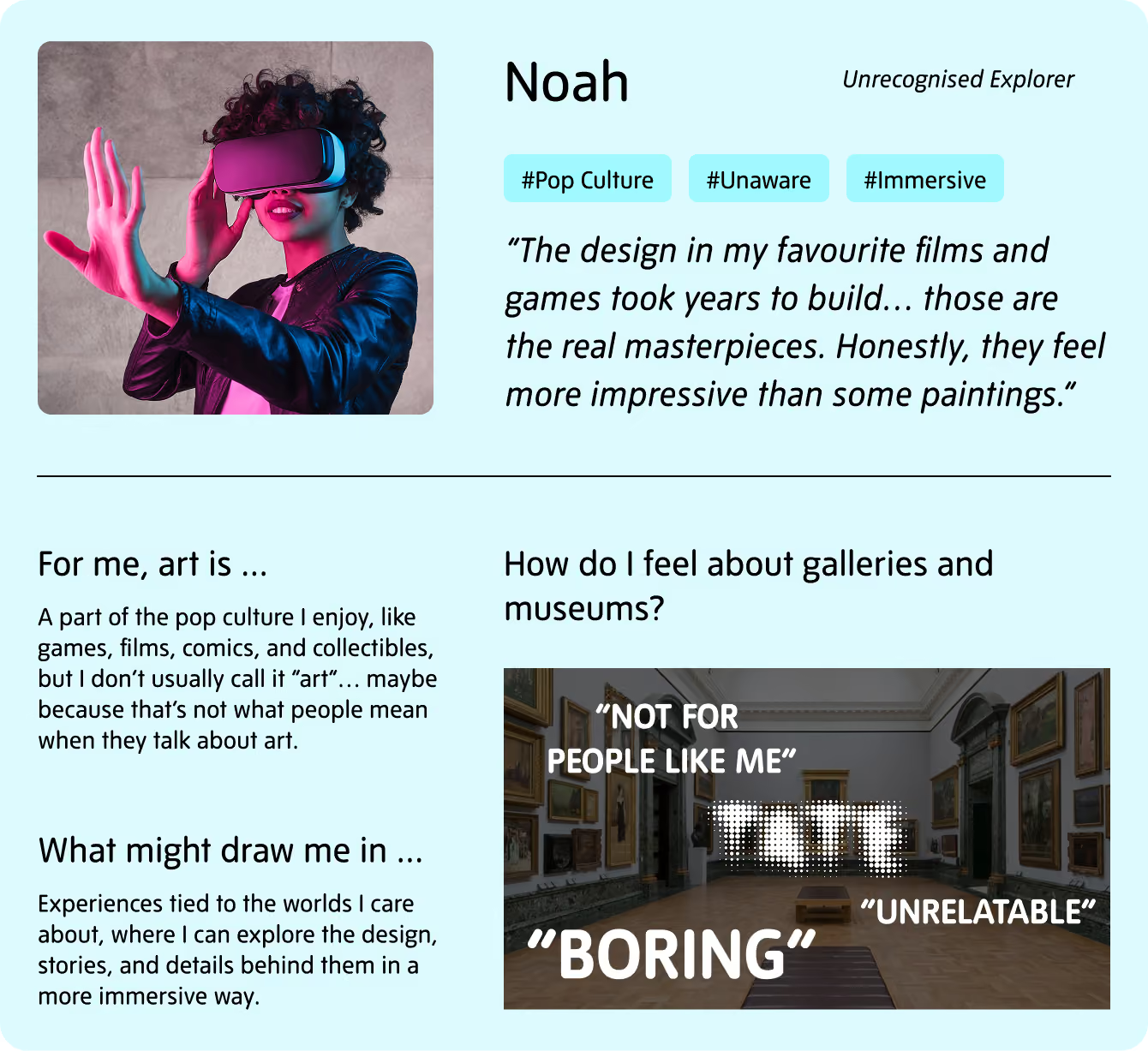
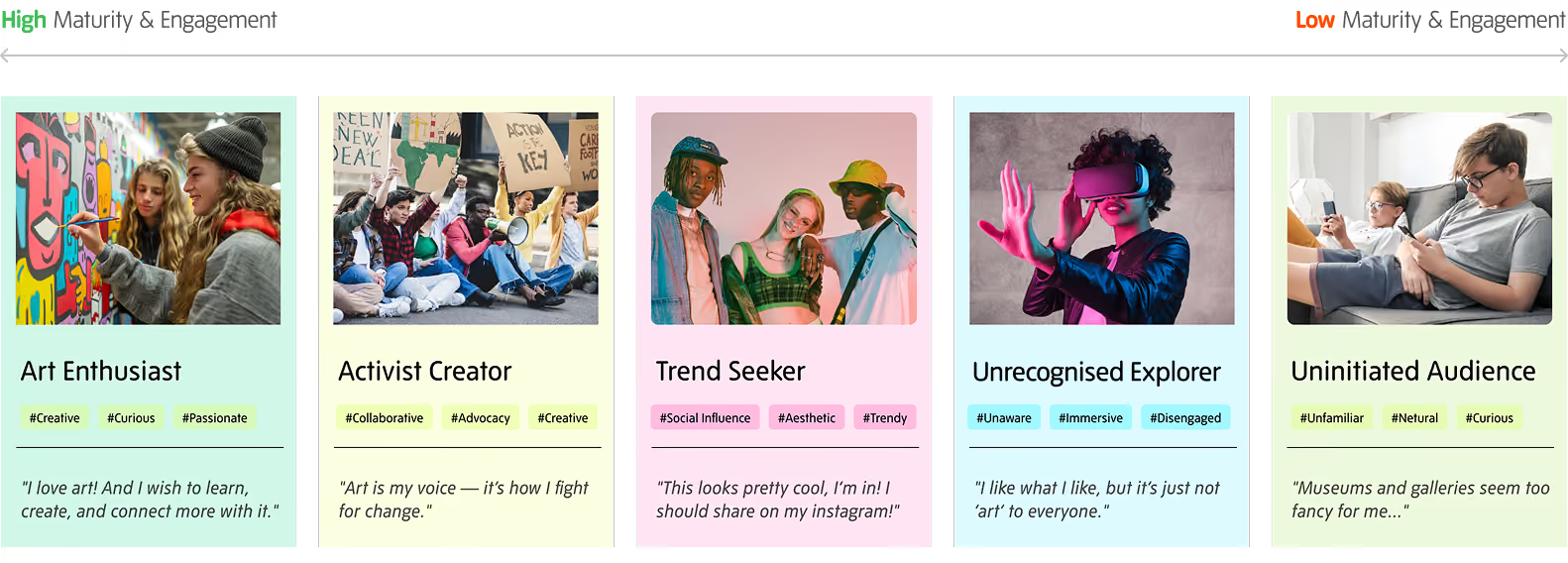
To understand who we were designing for, we spoke with a few teens, mapping 5 teen archetypes across a spectrum of maturity and interest in art.
We then validated these archetypes through separate co-creation workshops with experts and art teachers, refining 2 segments as our primary focus: teens who aren't deeply engaged with art, but remain open to influence.
Problem Statement
01
Museums feel unappealing & irrelevant to Teens
Teens perceive museums as boring, strict, and irrelevant, making it hard for museums to compete with more engaging entertainment.
02
Teens rely on disengaged intermediaries
Teens depend on teachers and parents to access art, but museum or art value often gets lost because intermediaries may not be fully engaged.
03
Lack of guidance
& preparation in school visits
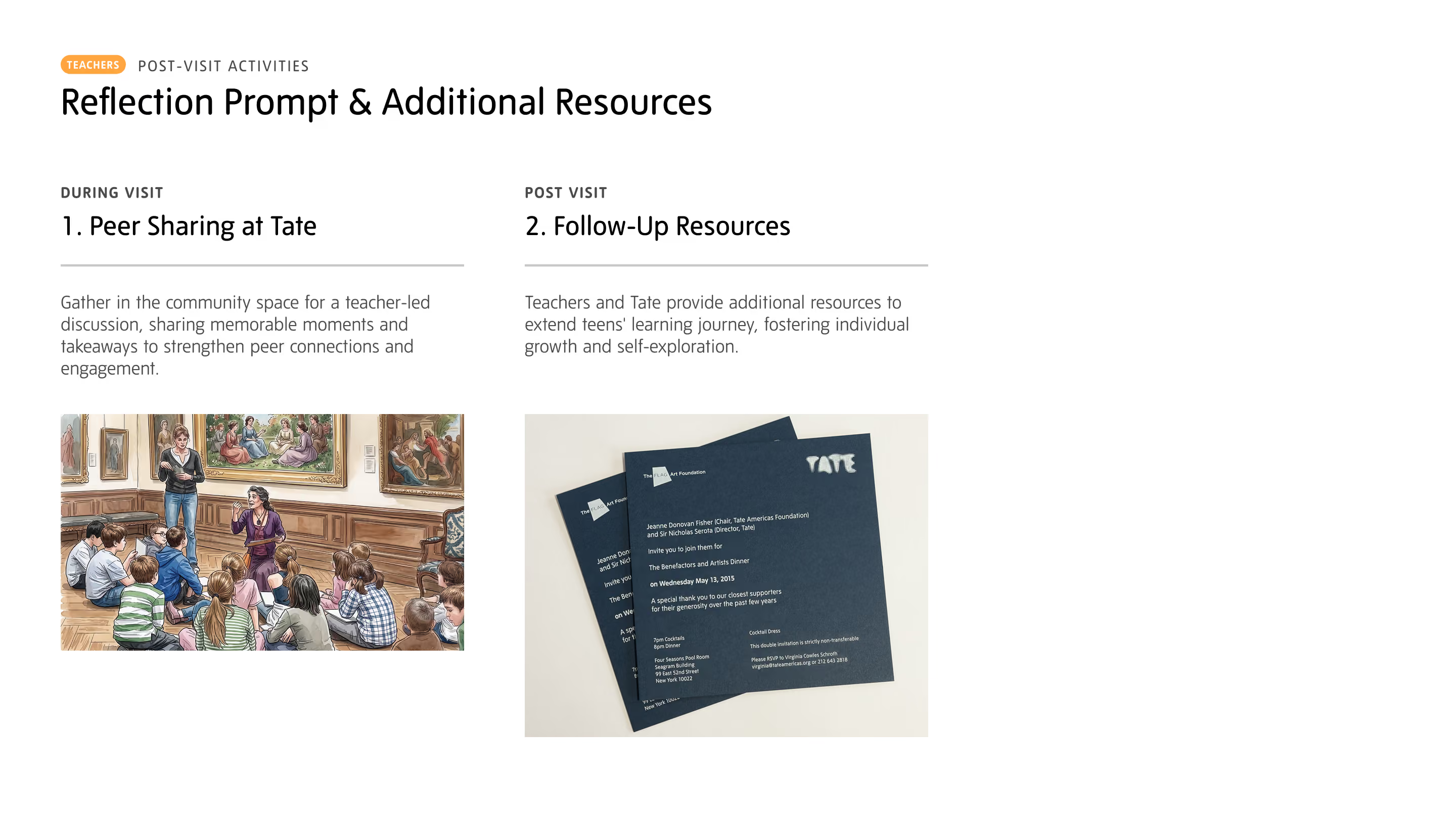
School visits to museums often lack proper preparation and clear guidance, leaving students to wander aimlessly and resulting in low engagement with the exhibits.
Opportunity Space
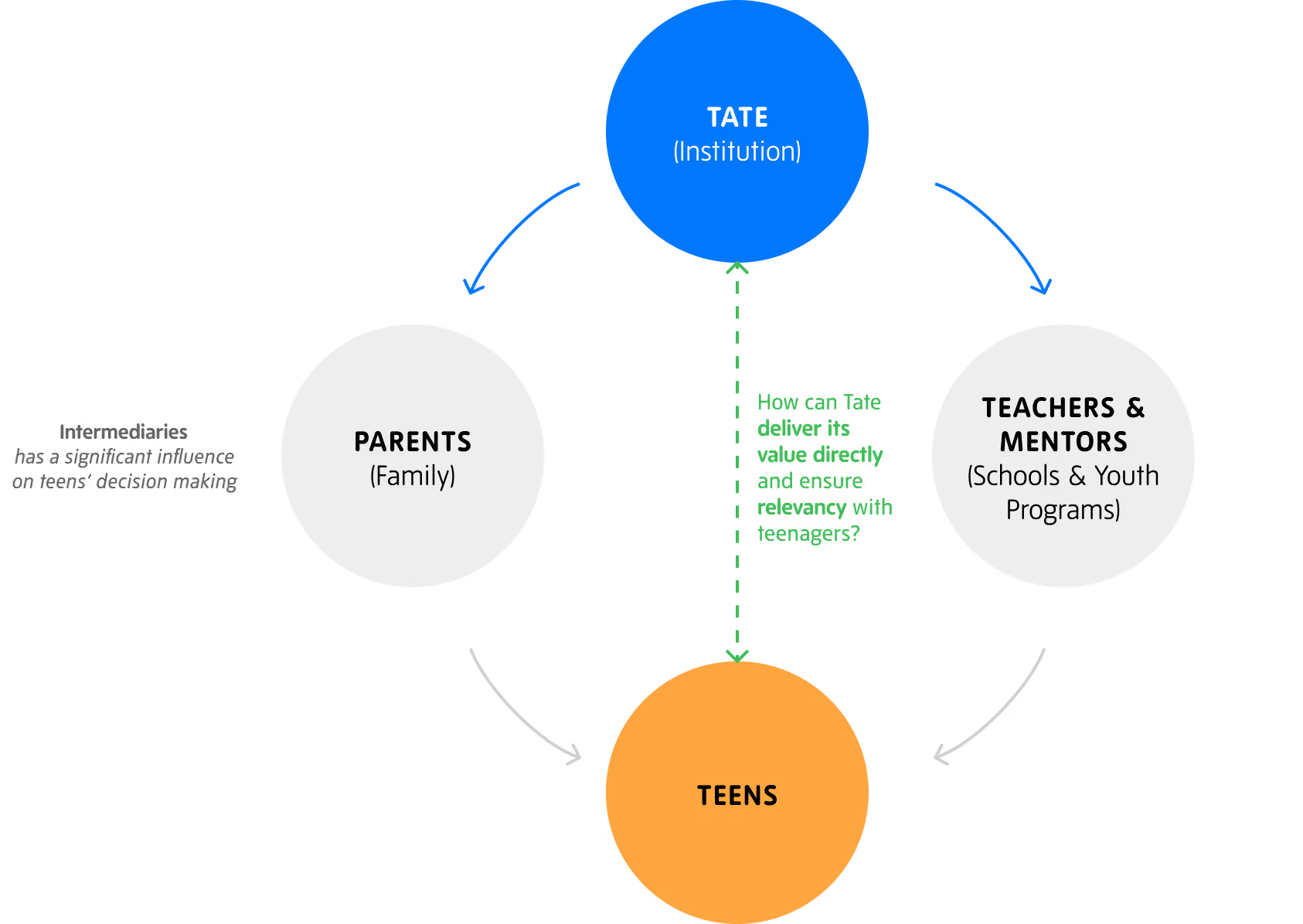
Tate's current relationship with teens is almost entirely mediated — filtered through teachers who may feel underprepared, and parents who may not prioritise art. By the time Tate's value reaches a teenager, it's often diluted or lost entirely.
This now emphasizes a need to change how Tate engages with teens. Rather than relying on intermediaries, how can Tate connect directly with teens in ways that feel relevant and meaningful to them?
How might Tate create
accessible, relevant & inspiring experiences that empowers teens to confidently engage with art and foster their personal growth?
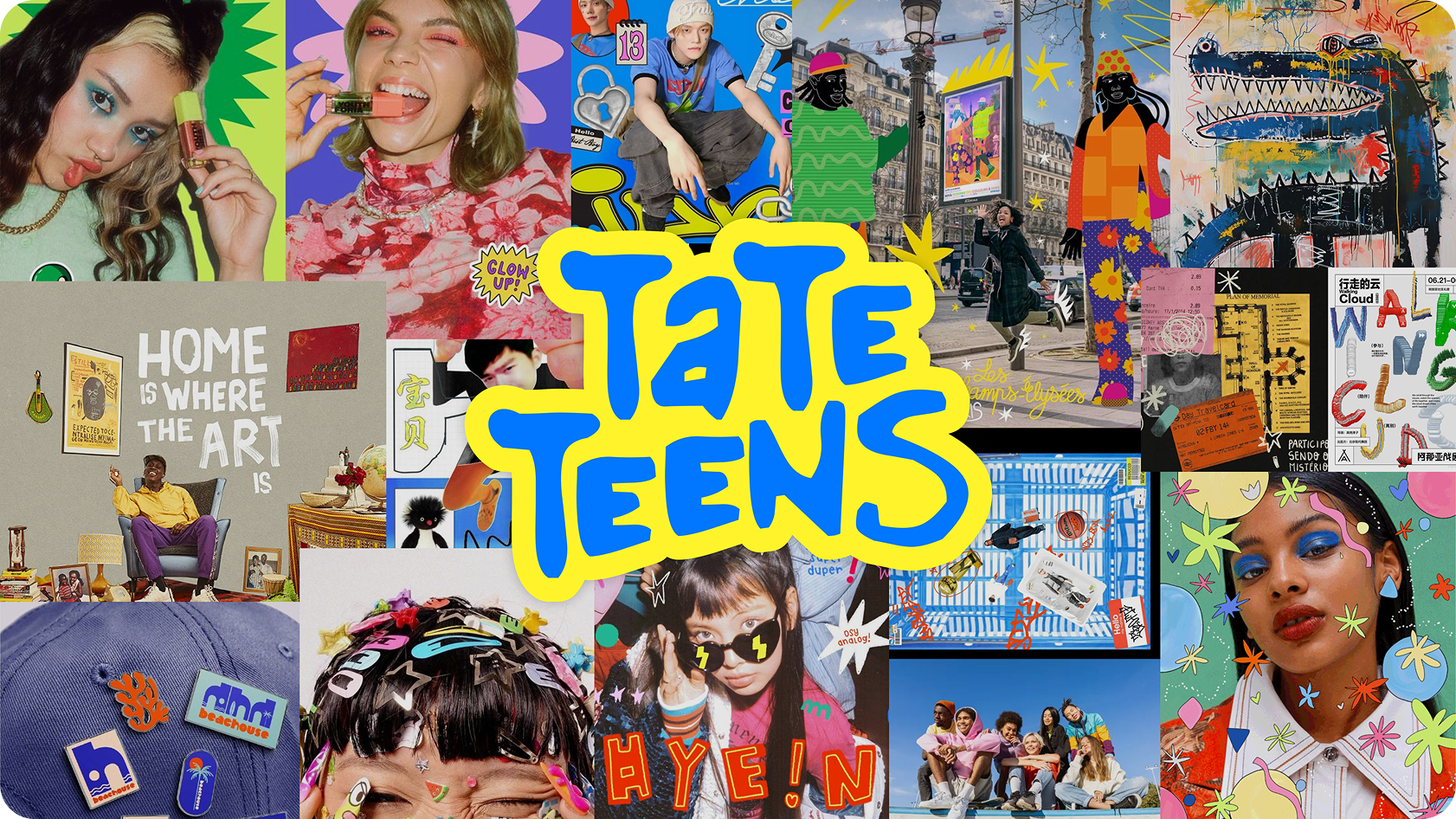
Tate Teens — Artistic Growth for Teens, By Teens
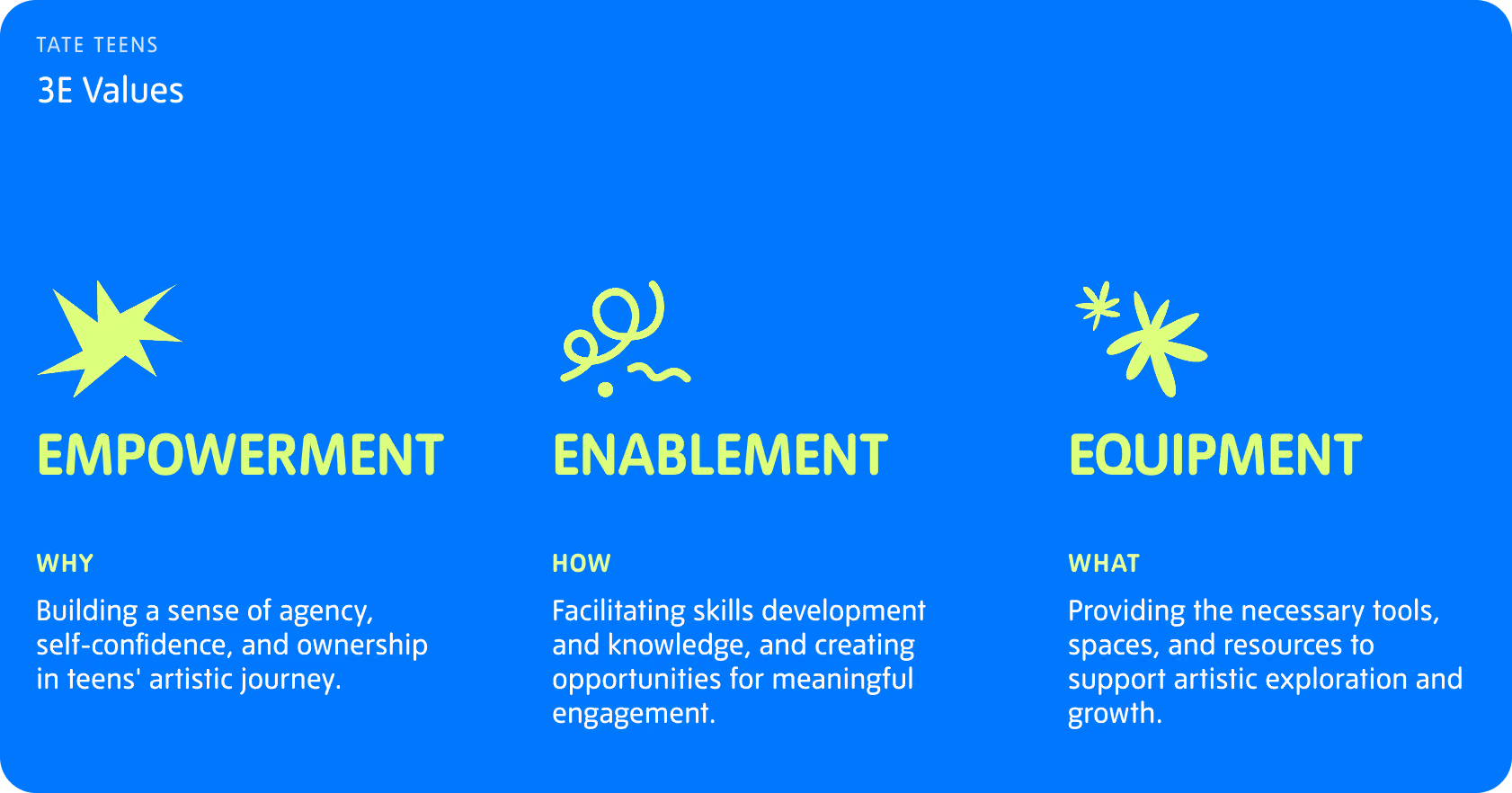
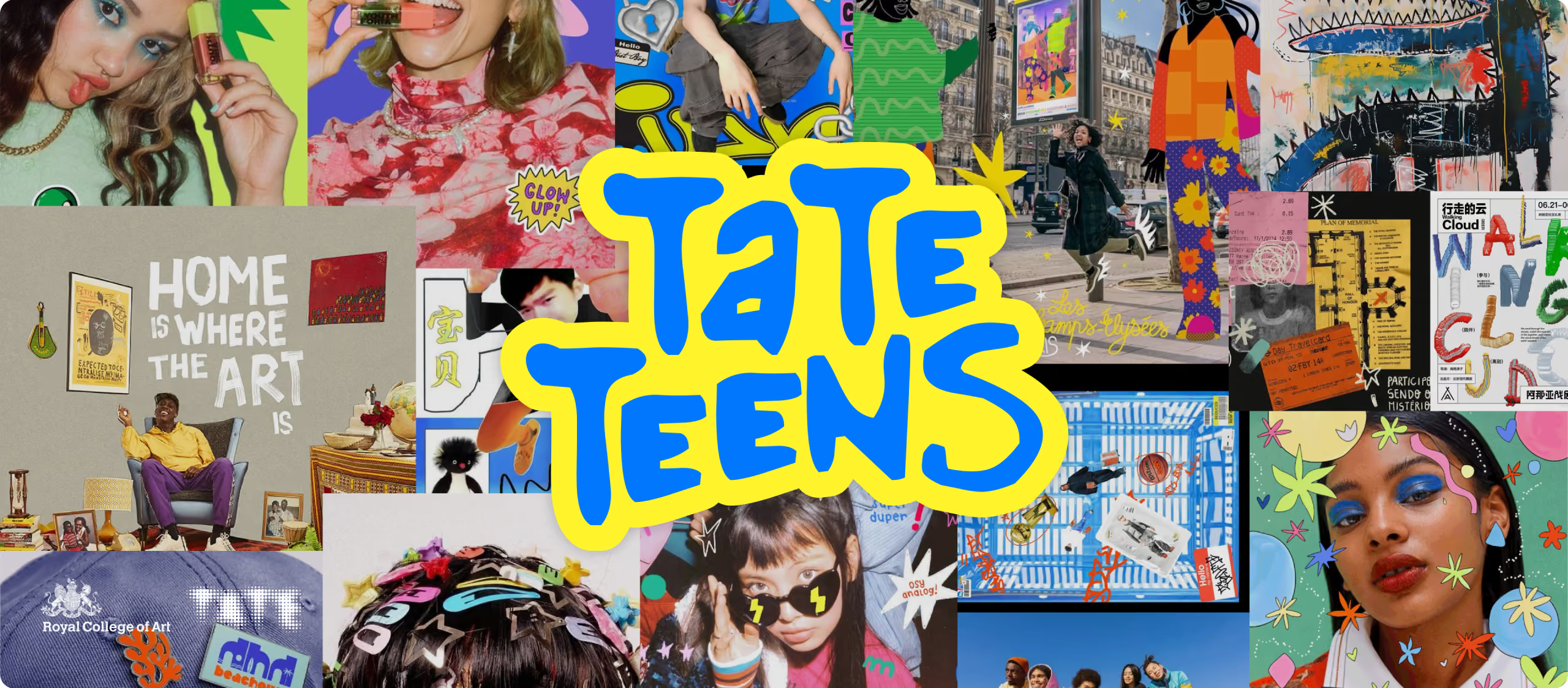
Tate Teens bridges the gap between “Tate Kids” and “Tate Collective”, creating a dedicated teen identity within Tate's ecosystem.
Rather than a single program, it acts as a new entry point, speaking to teens in ways that feel relevant and relatable, and giving 13–16 year-olds a space to explore art on their own terms. This establishes a clear, continuous journey across Tate's offerings, supporting teens as they grow into long-term audiences.
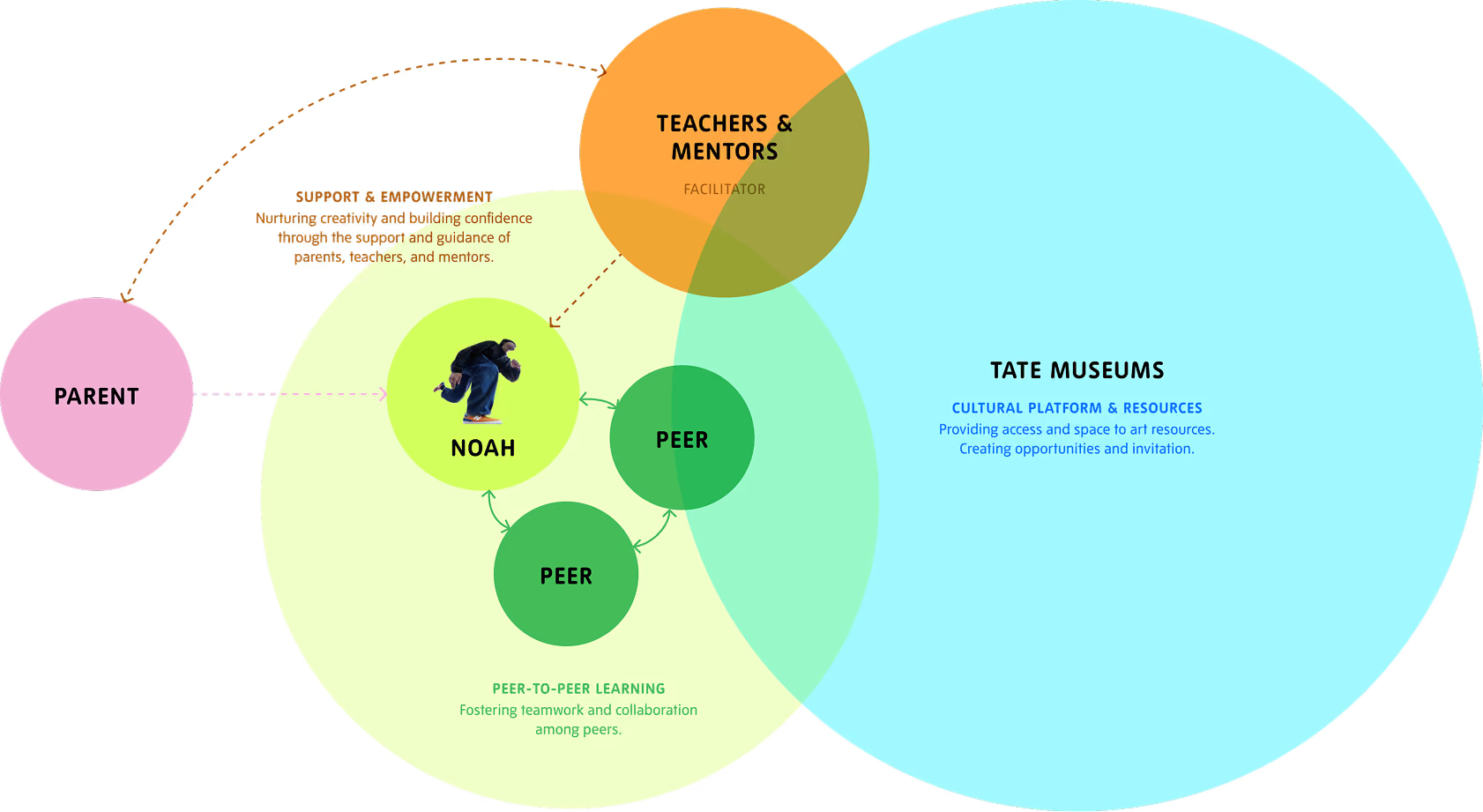
VISION: TEEN-LED ECOSYSTEM
We envision a system where teens are not just audiences, but active participants in shaping their own artistic journeys.
Every touchpoint is designed to build on the last, moving teens from first contact to genuine ownership of their relationship with art.This shifts the role of Tate from a place to visit, into a platform for ongoing creative development.
Design Strategy: Create Long-Term Engagement with teens
Now
01
Communication
& Language
If Tate uses simpler and relevant language tailored to teens,
→ then it will increase their engagement and interest in art and museums.
Near
02
Experience Enhancement
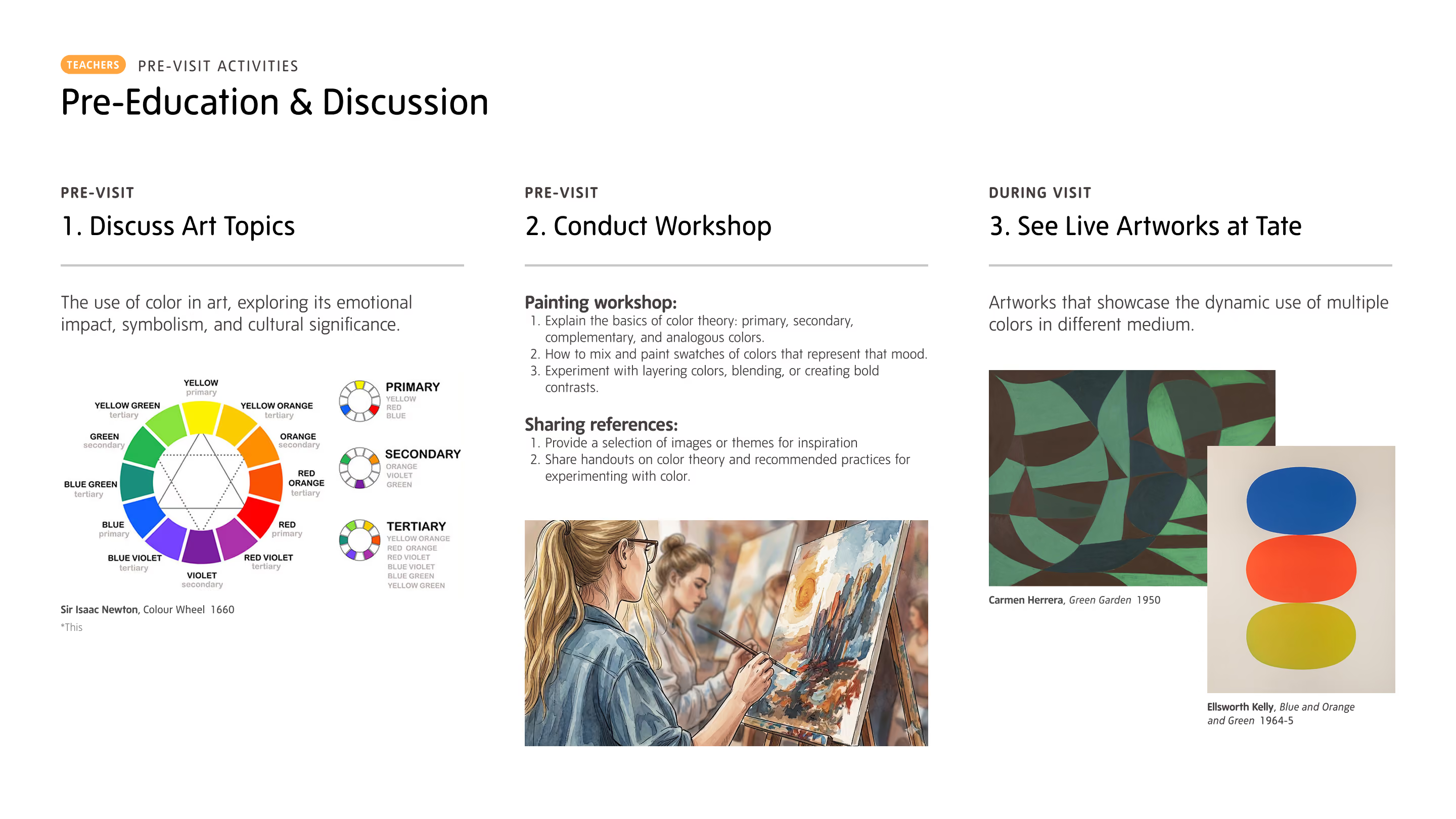
If teachers and Tate collaborate
to enhance programming for school visits,
→ then teens will have a more engaging and meaningful experience with art.
future
03
Autonomous Engagement
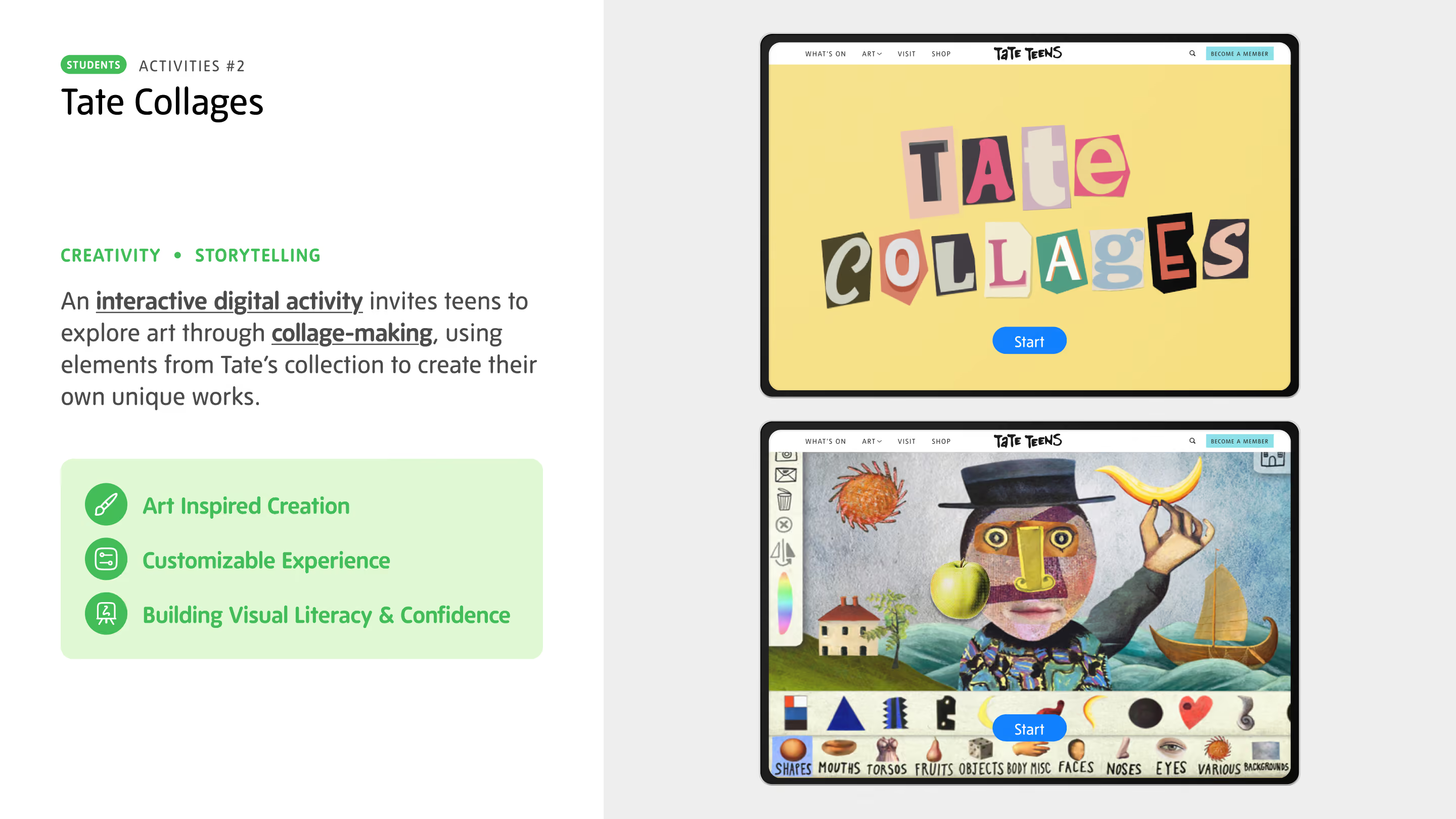
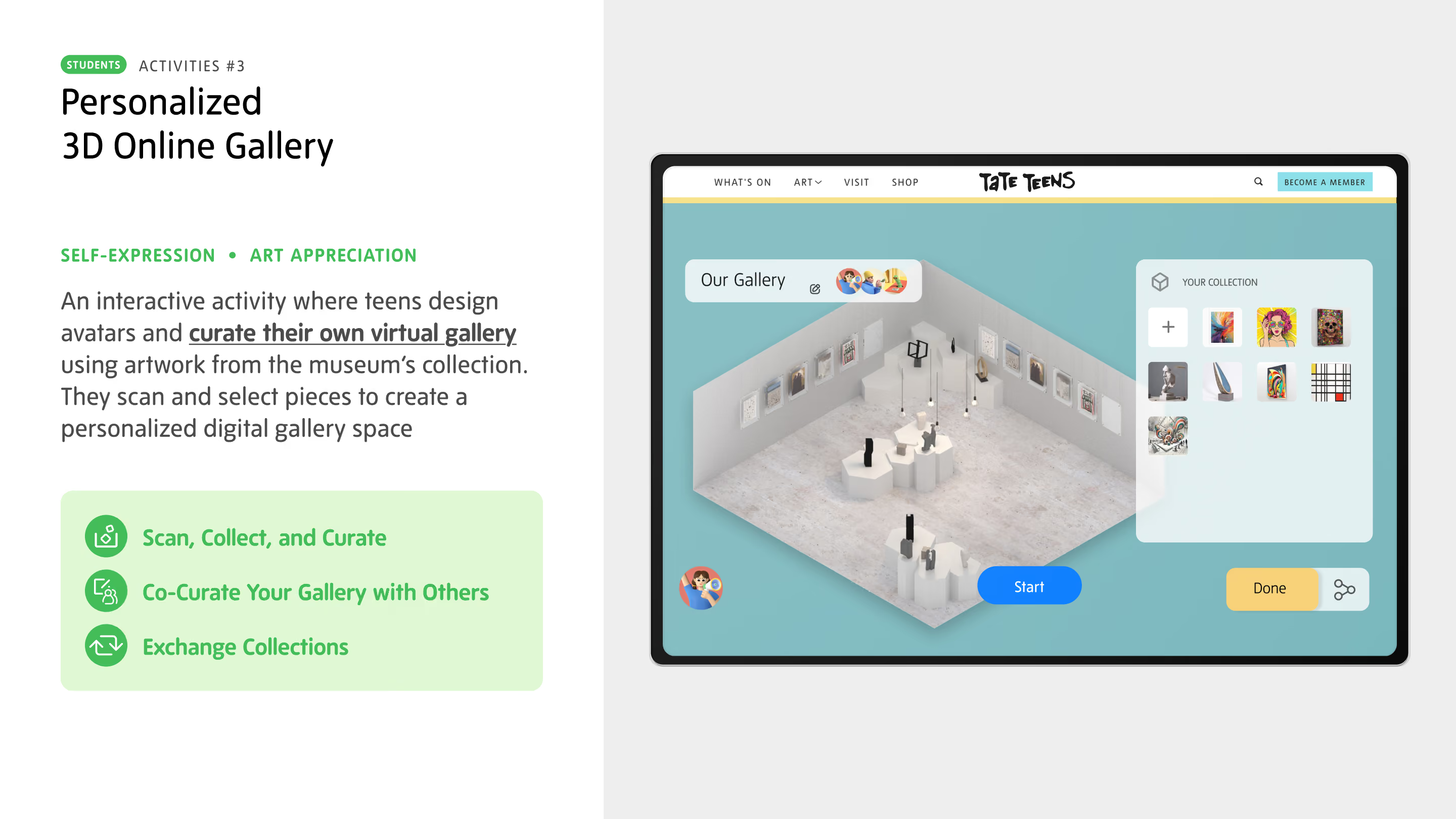
If Tate offers relevant and tailored activities for teens,
→ then it will encourage more teens to visit the museum independently, fostering their autonomy and engagement.
Now
Communication
& Language
Tate Teens
Brand Communication
Objective:
To establish direct communication with teenagers to build connection and increase brand relevance; try to speak their language
01
COMMUNICATION MATERIALS — TEEN GUIDE BOOK
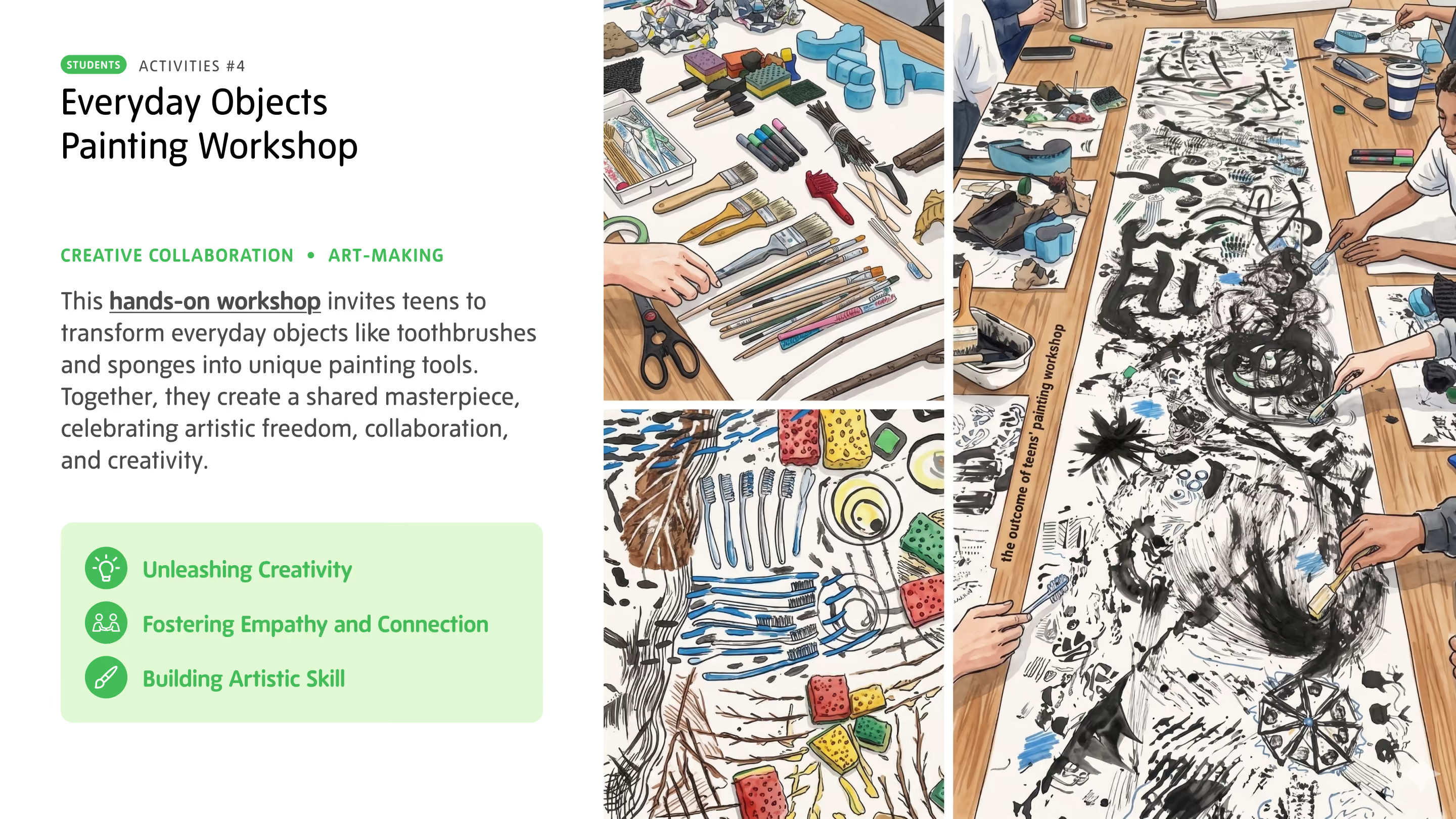
A comprehensive guidebook for teens, featuring activity lists and must-see highlights, presented in a playful and fun manner to make the museum feel exciting and approachable.
future
Autonomous
Engagement
Campaign Activation
Objective:
To encourage more teens to visit the museum independently, fostering their autonomy and engagement.
TO BE DEVELOPED FURTHER
03
empower artistic teens community
Engaging with teens effectively means meeting them
where they are —fostering connections through relevant themes and creating experiences that reflect the evolving trends.
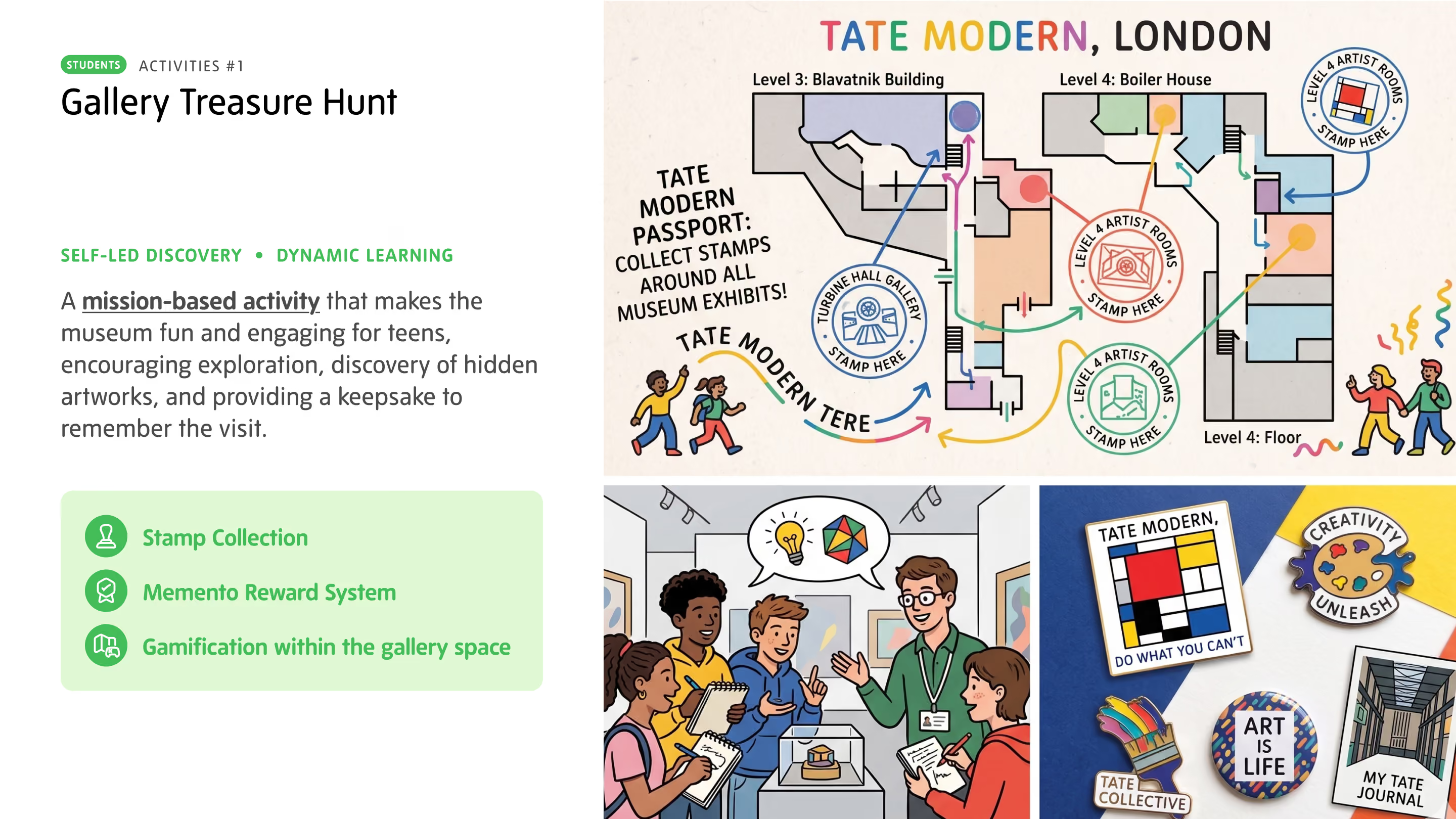
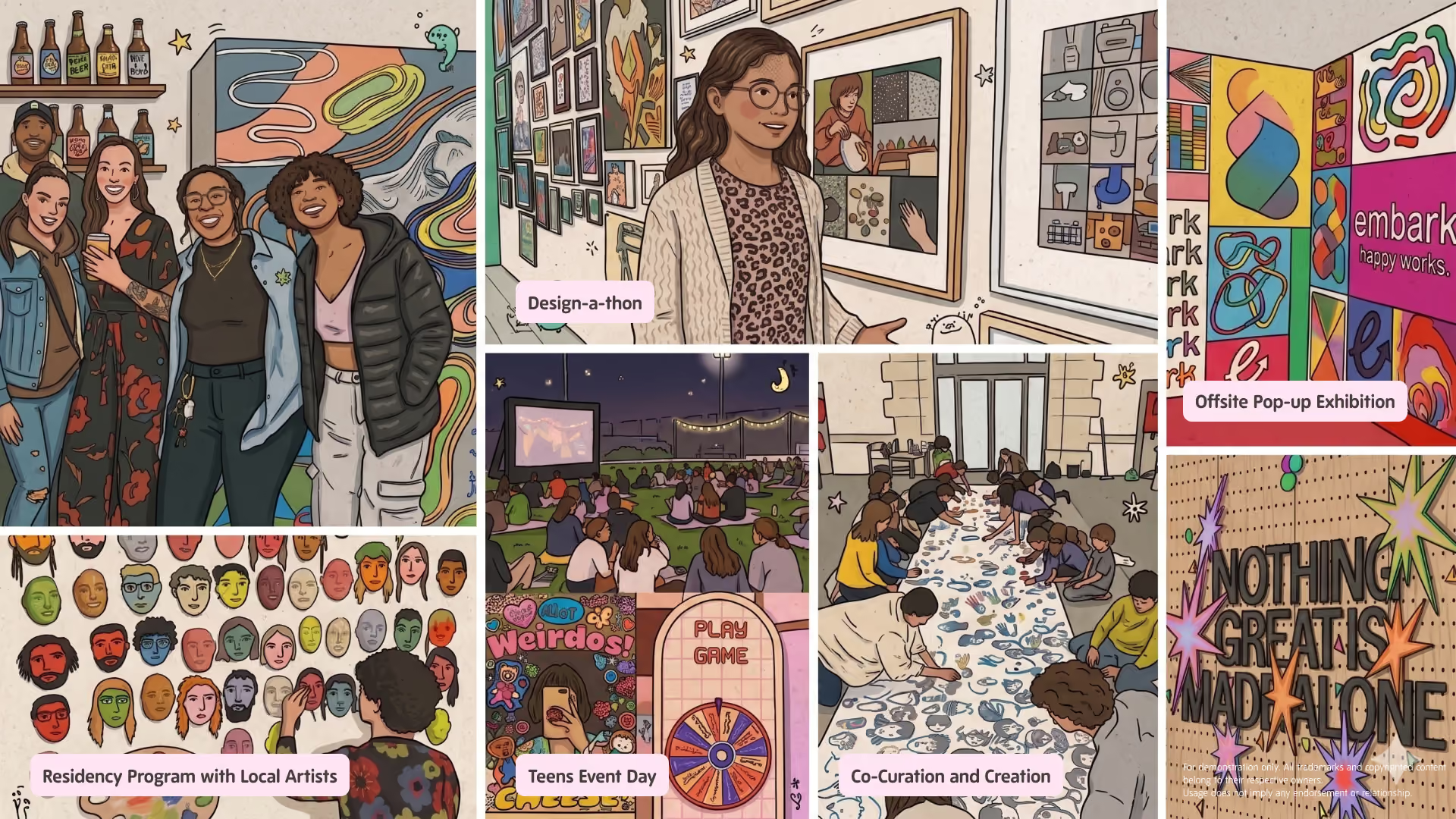
In this phase, we aimed to create dedicated spaces for teens — both inside and outside Tate — to connect, create, and build an artistic community together. Through events, residencies, and pop-up experiences, this shifts teens from occasional visitors into active participants in Tate's creative life.
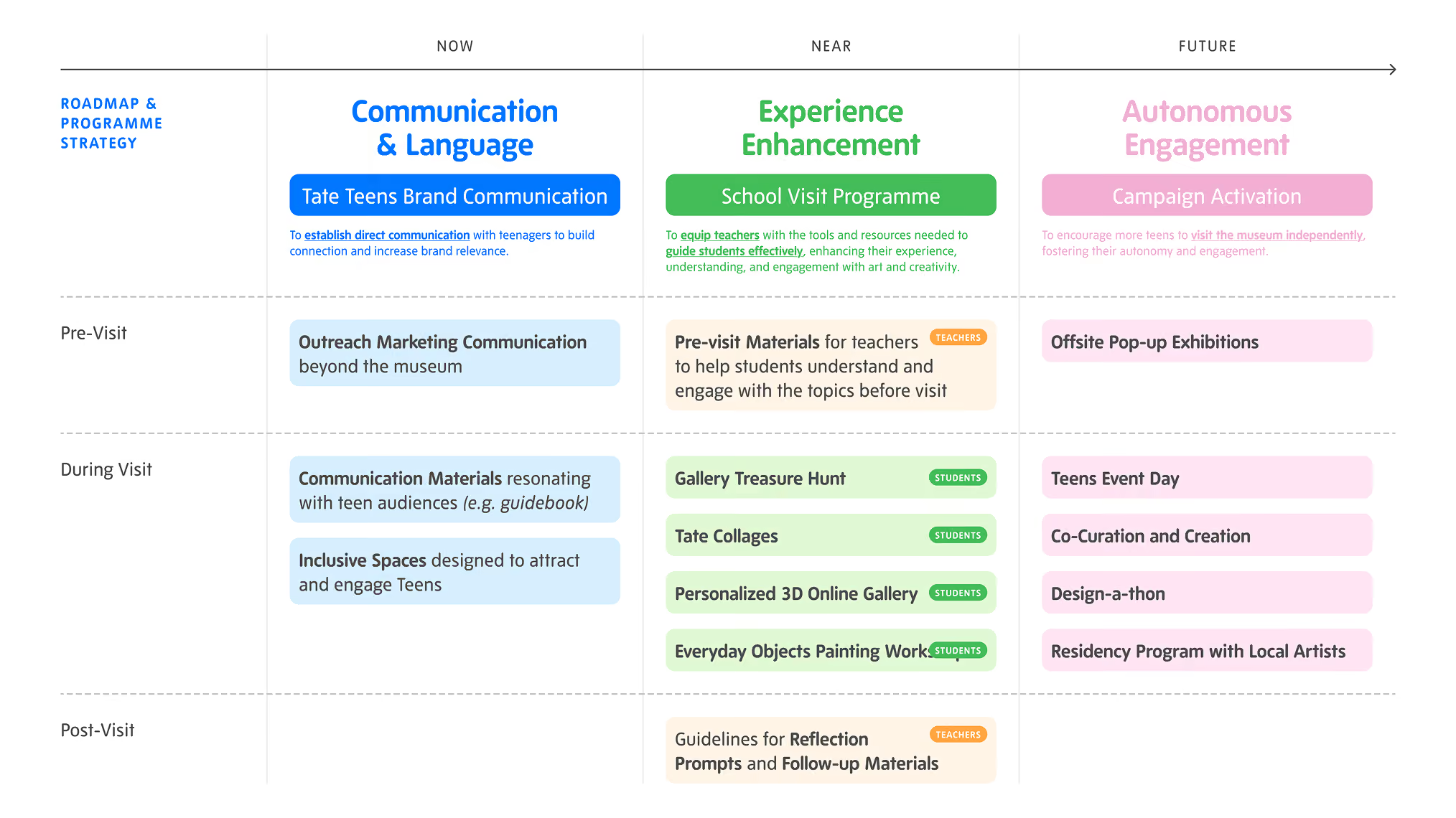
Holistic roadmap approach
From initial, simple interactions to more in-depth activities, the roadmap allows for gradual growth in engagement, ensuring teens feel welcome and empowered at every stage. All touchpoints work together holistically, with each phase building upon the previous one.
Over time, the roadmap builds a deeper connection between teens and Tate, transforming their relationship with art into one that is meaningful, relevant, and long-lasting, fostering an independent revisiting and autonomy relationship with art.
review
Engaging different stakeholders revealed that meaningful insight depends not only on how you analyse, but on how you speak in the moment. When conducting interviews with students, formal questions often led to rehearsed, surface-level responses. It was only when I shifted my language into their tone during the workshop session that conversations opened up and genuine, meaningful responses came through.
Framing the strategy was the other major challenge. Early on, it became clear that a single touchpoint would never be enough to shift teens' relationship with art. As the project developed, the roadmap approach emerged as a way to structure the work — not as a solution in itself, but as a means to connect ideas and clarify why sequencing mattered.
Working on this brand repositioning with Tate left me with a clear takeaway: communication isn't separate from design. It is the design.
Other works
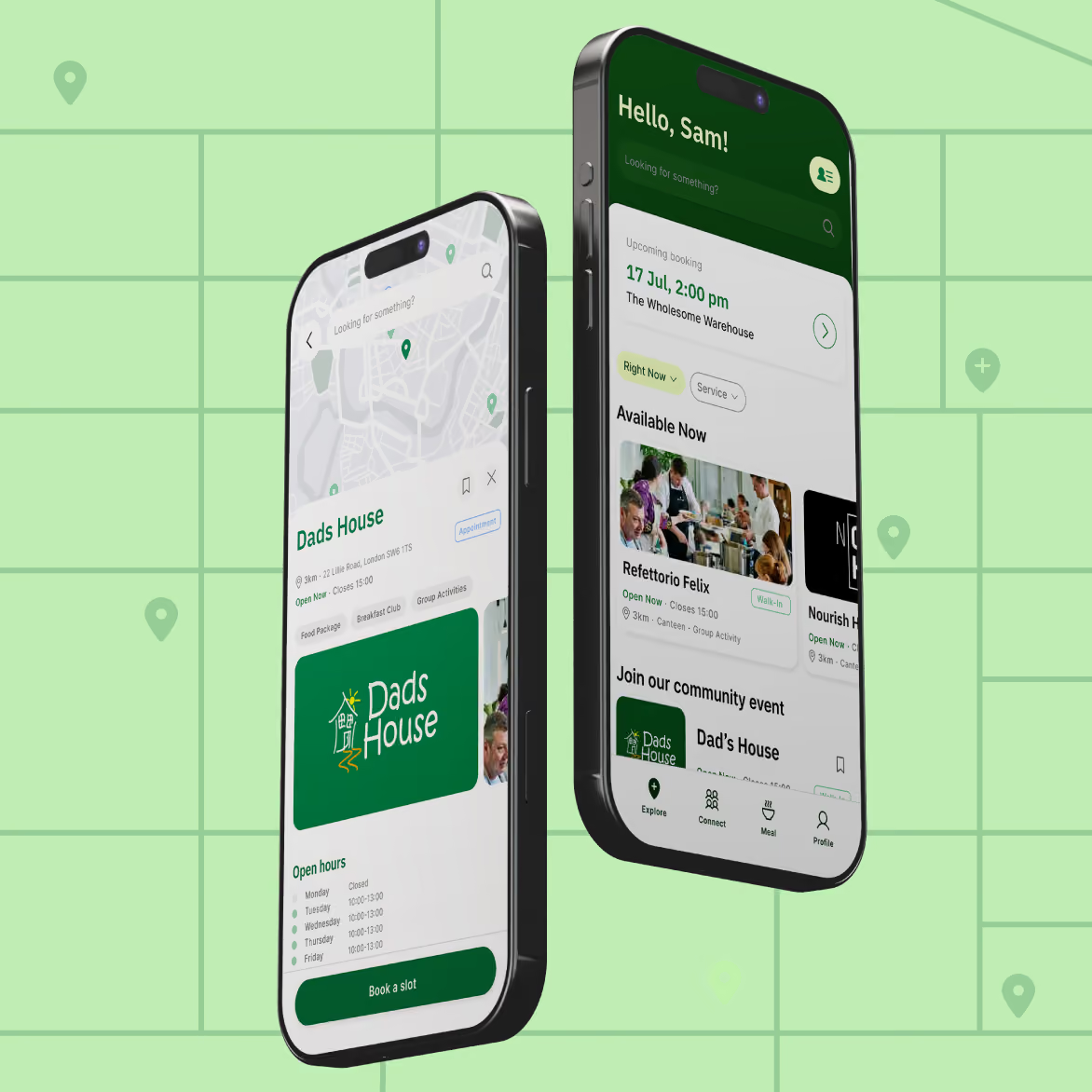
Feedie
Feedie is a community platform making food support easier to access, connecting food, people, and community care
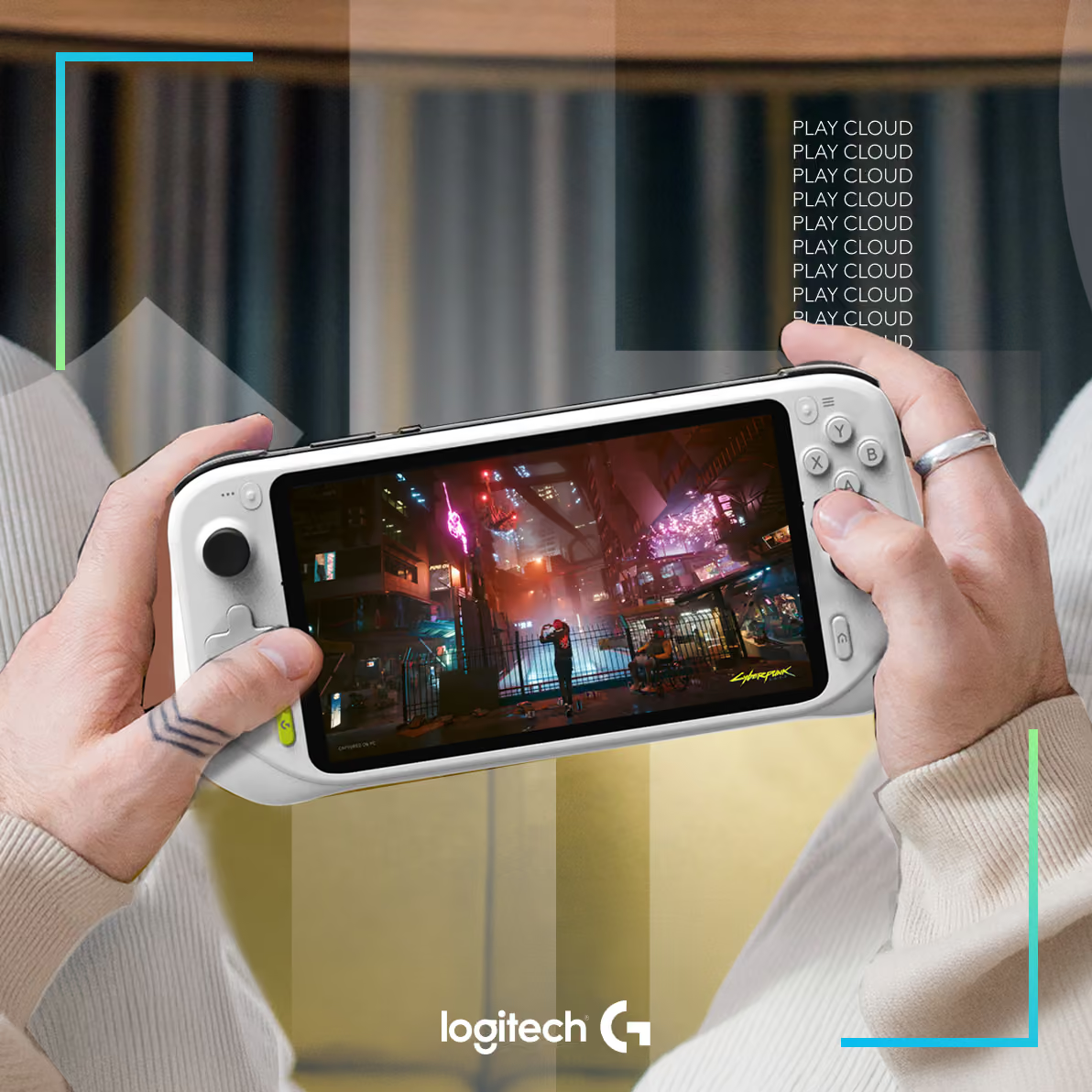
Logitech G CLOUD web design
Redesigning a new-to-market product page to enhance browsing experience and to clarify cloud gaming for broader audiences.
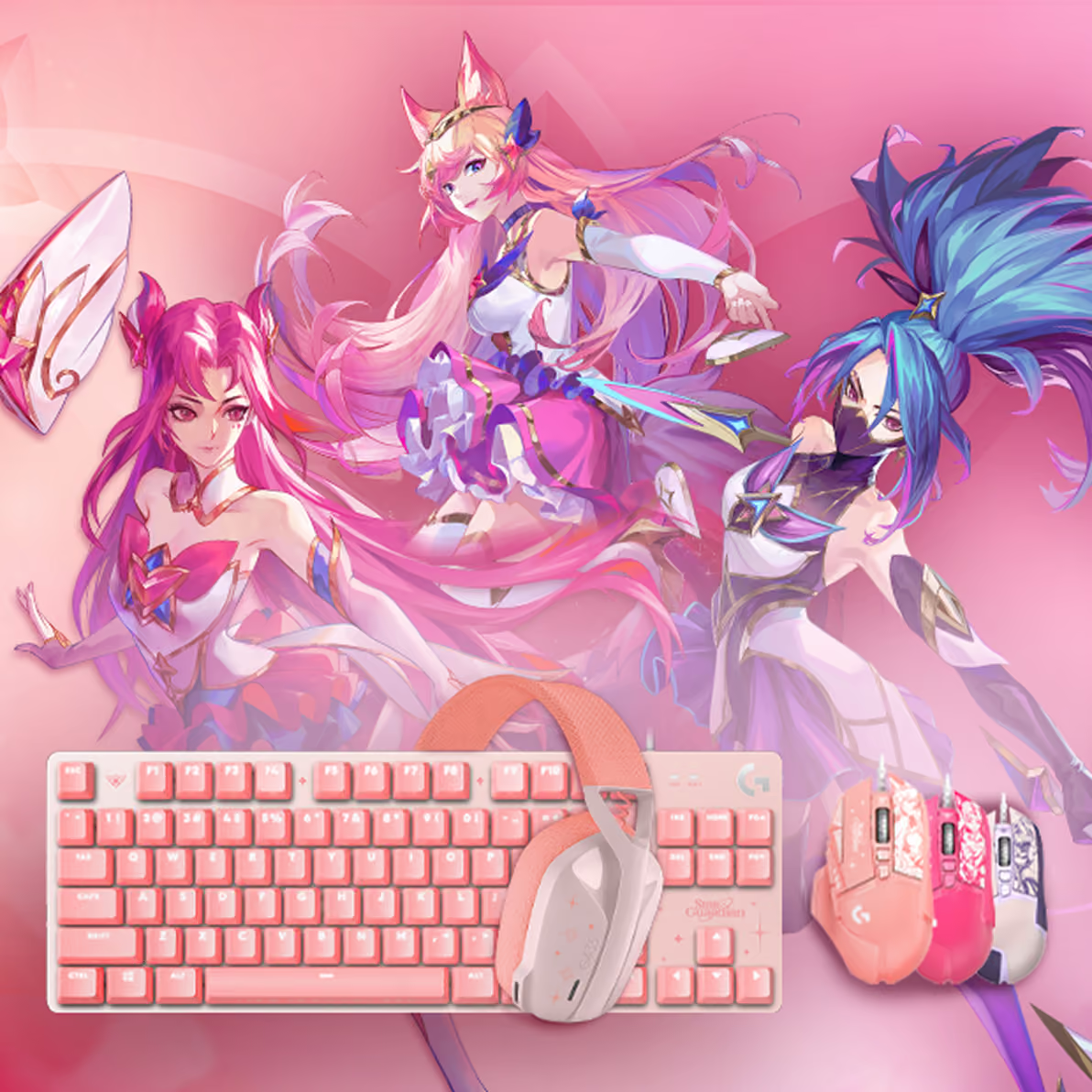
Logitech x LOL gaming collection
IP collaboration with League of Legend to create softer design for lifestyle consumers beyond Logitech G's traditional audience.